


Views: 0 Author: Site Editor Publish Time: 2026-01-09 Origin: Site


When it comes to replacing missing or severely damaged teeth, dental implants combined with implant crowns have become one of the most effective and durable solutions available in modern dentistry. The process of placing a crown on a dental implant—often referred to as an implant crown—offers numerous advantages over traditional restorations, providing patients with enhanced comfort, function, and aesthetics.
As a leading B2B manufacturer of high-quality dental products, we understand the importance of providing dental professionals with the best solutions for their patients. This article will explain the key benefits of choosing a crown on a dental implant, exploring how implant-supported crowns work, the crown implant process, and why dental professionals, laboratories, and large-scale suppliers should consider this option for their clients.
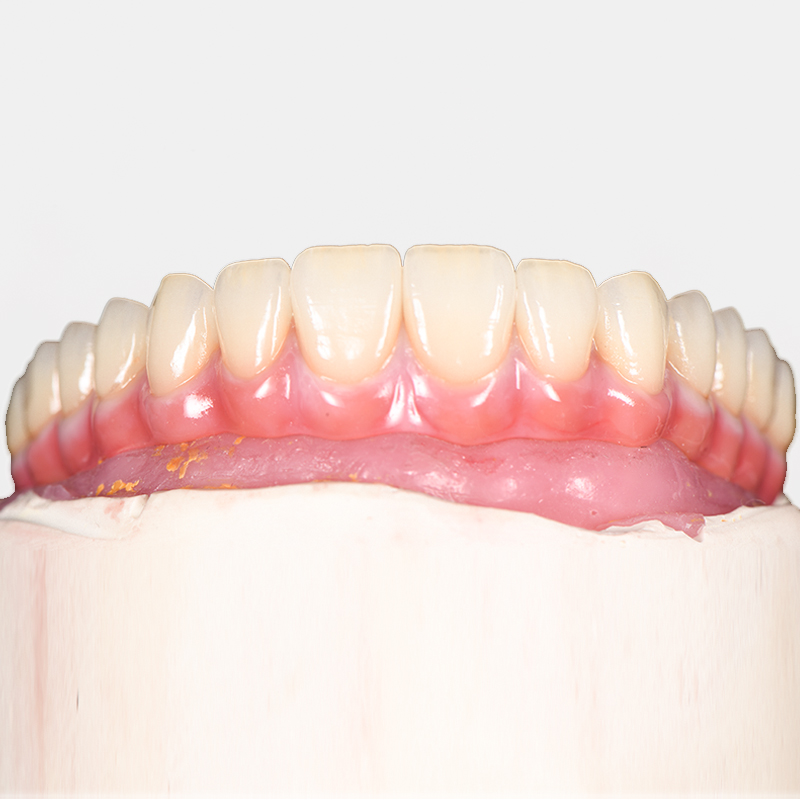
A dental implant crown, or implant crown, is a prosthetic tooth restoration attached to a titanium post (dental implant) that is surgically placed into the jawbone. Unlike traditional crowns that are placed over existing teeth, implant crowns are supported by the implant itself, which acts as the tooth root. The implant integrates with the bone in a process called osseointegration, ensuring the implant crown is secure, stable, and capable of functioning just like a natural tooth.
The implant crown procedure consists of multiple stages, including the placement of the titanium implant, the healing period, the attachment of the abutment (the piece connecting the implant to the crown), and the final placement of the implant crown.
As a B2B manufacturer, we supply high-quality implant crowns that are crafted from advanced materials such as zirconia, porcelain, and titanium, ensuring that the end product is both aesthetically pleasing and long-lasting.
Implant crowns are critical components in the dental implant system. They not only restore the function of missing teeth but also contribute to a patient’s overall oral health and well-being. One of the most significant advantages of implant crowns is their ability to replace teeth without affecting adjacent healthy teeth. Traditional dental restorations, such as bridges, require the reduction of neighboring teeth, whereas implant crowns preserve the natural structure of the surrounding teeth.
For B2B manufacturers and dental labs, providing top-quality implant crowns is crucial. These restorations must be designed to fit precisely, look natural, and provide long-term function and comfort. Whether you're manufacturing individual implant crowns or large batches for dental professionals, ensuring high standards of quality and precision is key to meeting patient needs and expectations.
The crown implant process is a comprehensive, multi-step procedure that requires precision, expertise, and careful planning. Below, we outline the typical stages of the implant crown procedure, from consultation to final restoration.
The crown implant process begins with an initial consultation between the dentist and the patient. During this appointment, the dentist evaluates the patient’s oral health, discusses treatment options, and develops a plan tailored to the individual’s needs. X-rays or 3D imaging may be used to assess the bone structure and determine if a dental implant is suitable.
If the patient has insufficient bone density, a bone graft may be recommended to ensure the implant has a stable foundation. Once the treatment plan is finalized, the dentist schedules the implant placement surgery.
The next step in the implant crown process is the surgical placement of the dental implant. The dentist will numb the area with local anesthesia and create a small incision in the gum tissue to expose the jawbone. The titanium implant is then placed into the bone, and the incision is sutured closed.
After the implant is placed, the patient will enter the healing phase, where osseointegration occurs. This is the process by which the titanium implant fuses with the bone, ensuring it becomes a permanent part of the jaw.
The osseointegration process typically takes 3 to 6 months, during which time the implant integrates with the jawbone. During this period, the patient may be provided with a temporary restoration to help with function and appearance while the implant heals.
Once osseointegration is complete, the dentist places the abutment, a small connector that attaches the implant crown to the implant. The abutment is usually placed in a minor procedure where the dentist makes a small incision in the gum tissue to expose the implant. The abutment is then attached, and the gums are allowed to heal around it.
With the abutment in place, the dentist takes impressions or digital scans of the implant and the surrounding teeth to create a custom-made implant crown. The crown is fabricated in a dental lab using advanced materials, ensuring it matches the shape, size, and color of the patient’s natural teeth.
Once the implant crown is ready, the dentist places it onto the abutment, checks for proper fit and alignment, and makes any necessary adjustments. The crown is then securely attached, completing the restoration.
Choosing a crown on a dental implant offers a range of benefits for patients, including enhanced functionality, aesthetics, and long-term oral health. Below, we highlight the top advantages of opting for implant crowns.
Implant crowns are known for their durability. The titanium implant is highly resistant to wear, corrosion, and fracture, ensuring that the implant crown remains stable and functional for years. The materials used in implant crowns, such as zirconia and porcelain, are also designed to withstand the daily stresses of chewing and biting, making them long-lasting and resistant to damage.
One of the primary reasons patients choose implant crowns is for their natural appearance. Implant crowns are custom-made to match the color, shape, and size of the patient’s natural teeth, ensuring a seamless blend with the surrounding dentition. The ability to match the color of the implant crown to natural teeth results in a highly aesthetic outcome, which is especially important for front teeth.
As a B2B manufacturer, we use high-quality materials that are engineered to replicate the look and feel of natural teeth, providing dental labs and clinics with superior products that meet the needs of their patients.
One of the unique benefits of choosing an implant crown is the preservation of jawbone health. When a tooth is lost, the jawbone in the area of the missing tooth can begin to deteriorate. A dental implant, however, stimulates the bone and encourages new bone growth, preventing bone loss. This is a significant advantage of implant crowns, as they help maintain the structural integrity of the jawbone, which is vital for overall oral health.
Because implant-supported crowns are anchored directly into the jawbone, they offer superior stability and comfort compared to other types of dental restorations. Implant crowns are securely attached to the implant, which prevents any shifting or movement. This stability provides patients with greater confidence when eating, speaking, or smiling, as they don’t need to worry about their restoration becoming loose or uncomfortable.
Implant crowns are highly durable and can last 20 years or more with proper care. In contrast to traditional dental crowns, which may need to be replaced every 10 to 15 years, implant crowns offer a long-term solution that saves patients money in the long run. Their longevity makes them a cost-effective option for those seeking a permanent dental solution.
The implant crown not only restores the appearance of the tooth but also its function. Patients can bite, chew, and speak with ease, as the implant crown behaves like a natural tooth. Unlike removable dentures, implant crowns provide a fixed solution that offers the same stability and functionality as natural teeth.
| Feature | Implant Crown | Traditional Crown |
|---|---|---|
| Support | Supported by a titanium implant embedded in the jawbone. | Supported by an existing tooth or dental post. |
| Procedure | Requires surgery for implant placement. | Non-surgical, placed over an existing tooth. |
| Longevity | Lasts 20 years or more with proper care. | Lasts 10-15 years, may need to be replaced. |
| Bone Preservation | Stimulates jawbone, preventing bone loss. | Does not preserve or stimulate jawbone. |
| Comfort | More comfortable due to secure, stable fit. | May cause discomfort if surrounding teeth are altered. |
| Aesthetics | Highly aesthetic, mimics natural teeth. | Also aesthetic but may not blend as well in some cases. |
As a B2B manufacturer, we specialize in producing top-quality implant crowns for dental professionals and laboratories. Our implant-supported crowns are designed to meet the highest standards of precision, durability, and aesthetics. Here’s why you should consider choosing our implant crowns for your practice or laboratory:
High-Quality Materials: We use only the finest materials, including zirconia and porcelain, to ensure that each implant crown provides a natural appearance and exceptional durability.
Custom Fabrication: Our implant crowns are custom-made to fit each patient’s specific needs, ensuring a perfect fit and optimal comfort.
Fast Turnaround: We understand the importance of timely delivery, and we offer fast production times without compromising on quality.
Competitive Pricing: Our pricing is designed to be cost-effective for bulk purchases, ensuring dental professionals and laboratories can offer top-quality restorations at competitive rates.
Advanced Technology: We utilize the latest CAD/CAM technology to ensure precision and accuracy in the fabrication of every implant crown.
An implant crown is a dental restoration placed on a titanium implant post, which is surgically embedded into the jawbone to replace a missing tooth.
The crown implant process involves placing a titanium implant into the jawbone, allowing for healing and osseointegration, followed by the attachment of an abutment and the custom-made implant crown.
Implant crowns can last 20 years or more with proper care, making them a long-term solution for missing teeth.
Some benefits of choosing a crown on a dental implant include enhanced durability, improved aesthetics, jawbone preservation, stability, longevity, and functionality.
Unlike traditional crowns, implant crowns are supported by a titanium implant placed in the jawbone, providing superior stability, longevity, and bone preservation.


