


Views: 0 Author: Site Editor Publish Time: 2026-01-13 Origin: Site


Dental implants have become one of the most reliable and sought-after solutions for replacing missing or severely damaged teeth. Implant crowns are a vital part of this process, providing a natural-looking and durable restoration. As a leading B2B manufacturer of dental products, we understand the importance of quality, precision, and efficiency in the implant crown procedure. This article will provide an in-depth guide on the implant crown procedure, breaking down each step of the process, the materials used, and the benefits that come with choosing implant-supported crowns for your patients. Whether you're a dental lab, clinic, or large-scale dental supplier, this guide will help you better understand the key aspects of the crown implant process.
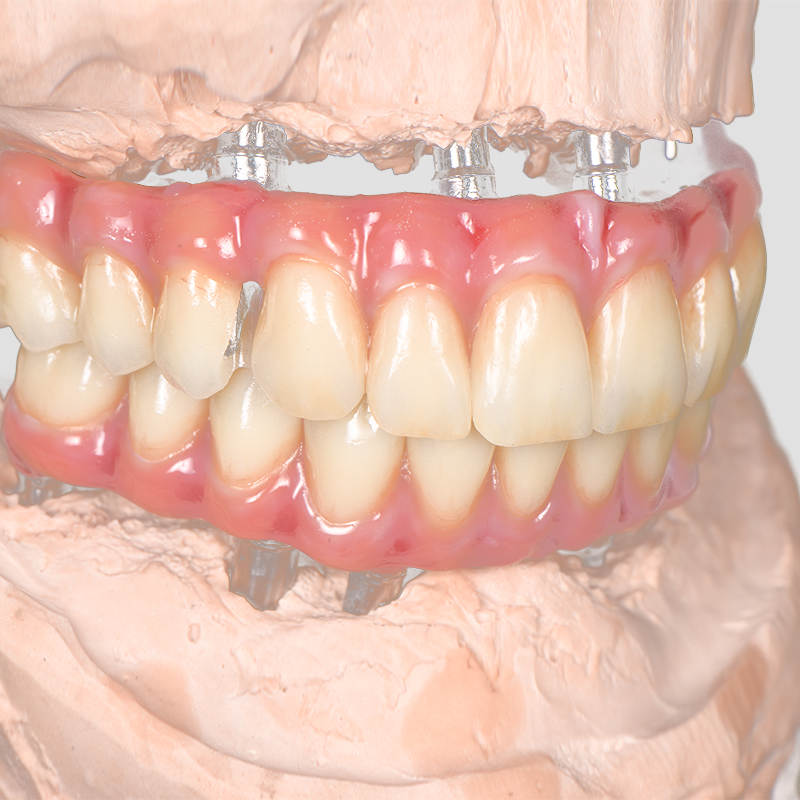
An implant crown is a dental restoration that is placed on top of a titanium implant, which is surgically embedded into the jawbone to replace a missing tooth. Unlike traditional crowns, which are placed over an existing tooth or dental post, implant-supported crowns are attached to a titanium post that serves as the artificial root of the tooth. The implant crown procedure involves multiple stages, from the placement of the implant to the final crown fitting, and requires precision and expertise to ensure long-term success.
As a B2B manufacturer, we provide top-quality implant crowns that are designed with durability, aesthetics, and patient comfort in mind. Our crowns are manufactured using advanced materials such as zirconia, porcelain, and titanium, ensuring that each restoration is both functional and natural-looking.
The implant crown procedure is a multi-step process that requires careful planning and execution. Below is a step-by-step breakdown of how the procedure works, from the initial consultation to the final crown placement. As a B2B manufacturer, understanding the details of this procedure will help ensure you supply your clients with high-quality products that meet the needs of patients and dental professionals alike.
The first step in the crown implant process is a thorough consultation with the dentist or oral surgeon. During this appointment, the dentist will evaluate the patient’s overall oral health, the condition of their gums, and the quality of the jawbone. X-rays and 3D imaging may be used to assess the bone structure and determine the best placement for the implant.
If the patient has suffered significant bone loss, additional procedures such as bone grafting may be recommended to ensure the implant has enough support. Once the patient is deemed a good candidate for the implant, the treatment plan will be created, which includes selecting the appropriate type of implant crown and implant post.
Before the implant crown procedure can begin, the dentist will prepare the patient for surgery. This includes administering local anesthesia to numb the surgical area. Depending on the complexity of the procedure and the patient’s preferences, sedation or general anesthesia may also be used.
The dentist may also provide pre-surgical instructions, such as avoiding food or drink for a certain period before the procedure. In some cases, antibiotics may be prescribed to reduce the risk of infection.
The implant crown procedure begins with the surgical placement of the dental implant post into the jawbone. The dentist makes a small incision in the gum tissue to access the bone and carefully places the titanium implant into the bone. The implant is then covered with gum tissue, and the incision is sutured closed.
This part of the procedure typically takes about one to two hours, depending on the number of implants being placed and the complexity of the case. After the surgery, the patient may experience some swelling and discomfort, which can be managed with prescribed pain medication and over-the-counter remedies.
Once the implant crown post has been placed, the patient will enter the healing phase. This is where osseointegration occurs—the process by which the titanium implant fuses with the bone. Osseointegration typically takes 3-6 months, depending on the patient’s individual healing process.
During this time, it is crucial for the implant to remain undisturbed to ensure proper integration with the jawbone. The dentist may provide temporary restorations to help with function and appearance during the healing period.
Once osseointegration is complete and the implant is securely fused with the jawbone, the next step in the implant crown procedure is placing the abutment. The abutment is a small connector piece that attaches to the top of the implant post and provides a stable foundation for the implant crown.
The dentist will make a small incision in the gum tissue to expose the implant and attach the abutment. After the abutment is placed, the gums are allowed to heal around it, which typically takes a few weeks. The abutment ensures that the implant crown will fit securely and comfortably.
After the abutment has fully healed, the next step is to fabricate the implant crown. To create a custom crown, the dentist will take impressions or digital scans of the implant and the surrounding teeth. These impressions are sent to a dental lab, where the implant crown is designed to match the shape, size, and color of the patient’s natural teeth.
As a B2B manufacturer, we specialize in providing high-quality, custom implant crowns made from advanced materials such as zirconia, porcelain, and titanium. These materials ensure that the implant crown is not only durable but also aesthetically pleasing and lifelike.
Once the implant crown is ready, the dentist will place it on the abutment and check for proper fit and alignment. Any necessary adjustments are made, and once the fit is perfect, the crown is securely attached to the abutment, completing the restoration.
The materials used to create implant crowns are critical to ensuring their durability, aesthetics, and functionality. As a B2B manufacturer, we offer a variety of materials for implant-supported crowns, each with its unique benefits:
Zirconia: Known for its strength and natural appearance, zirconia is one of the most popular materials for implant crowns. It is highly durable and resistant to wear, making it an excellent choice for both anterior and posterior restorations.
Porcelain: Porcelain offers exceptional aesthetics and can be easily color-matched to natural teeth. It is often used for patients who prioritize a highly natural look.
Titanium: Titanium is a strong and biocompatible material used for the implant post and can also be used in the fabrication of certain implant crowns. It provides excellent support and integration with the jawbone.
Porcelain-Fused-to-Metal (PFM): This material combines the strength of metal with the aesthetics of porcelain, making it a versatile option for implant crowns.
Each material is selected based on the patient’s needs, preferences, and the location of the implant in the mouth.
Implant crowns offer a wide range of benefits, both for patients and dental professionals. These advantages include:
Long-Term Durability: Implant crowns are designed to last for decades with proper care.
Natural Appearance: Implant crowns are customized to match the natural teeth in both color and shape, offering a seamless and aesthetic result.
Jawbone Preservation: The implant crown process stimulates the jawbone, helping to prevent bone loss.
Enhanced Comfort and Function: Since implant crowns are securely anchored in the jawbone, they provide superior stability and comfort compared to traditional crowns.
No Damage to Adjacent Teeth: Unlike traditional crowns, implant crowns do not require the reduction of healthy adjacent teeth, preserving their integrity.
| Feature | Implant Crown | Traditional Crown |
|---|---|---|
| Support | Supported by a titanium implant post in the jawbone. | Supported by an existing tooth or dental post. |
| Procedure | Involves surgery to place the implant post. | No surgery; placed over a prepared natural tooth. |
| Longevity | Lasts 20 years or more with proper care. | Lasts 10-15 years, may need to be replaced. |
| Bone Health | Prevents bone loss by stimulating the jawbone. | Does not prevent bone loss. |
| Aesthetics | Highly aesthetic, mimics natural teeth. | Aesthetic, but may not blend as seamlessly if tooth underneath is discolored. |
An implant crown is a dental restoration that is placed on a titanium implant post, which is embedded in the jawbone to replace a missing tooth.
The crown implant process involves several stages: implant placement, healing and osseointegration, abutment placement, and finally, the attachment of the implant crown.
With proper care, implant crowns can last 20 years or more. The implant post itself can last a lifetime, while the crown may need to be replaced over time.
Implant crowns can be made from a variety of materials, including zirconia, porcelain, titanium, and porcelain-fused-to-metal (PFM).


