


Views: 0 Author: Site Editor Publish Time: 2026-01-15 Origin: Site


Dental implants have revolutionized the field of restorative dentistry, offering a durable and natural-looking solution for replacing missing teeth. One of the key components of a dental implant system is the implant crown. For dental professionals, laboratories, and manufacturers looking for effective solutions for their patients or clients, understanding the ins and outs of implant crowns is essential. This article explores the concept of an implant crown, the crown implant process, and how implant-supported crowns function, along with their advantages and key differences compared to traditional crowns.
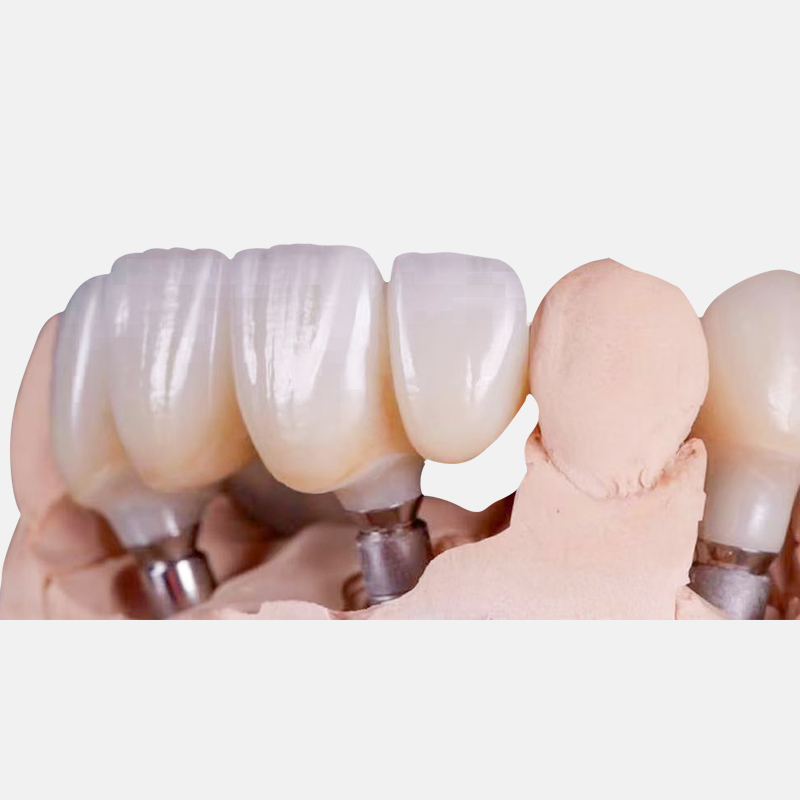
An implant crown is a dental restoration that is used to replace a missing tooth or a damaged tooth when a dental implant is placed in the jawbone. The implant crown is securely fixed to the implant post, which acts as a replacement for the natural tooth root. Unlike traditional crowns, which rely on existing teeth for support, implant crowns are supported directly by the implant, providing a highly stable and long-lasting solution for edentulous patients.
The process of attaching an implant crown typically involves the following steps:
Dental Implant Placement: A titanium post is surgically implanted into the jawbone.
Osseointegration: The bone fuses with the titanium post over a period of months, ensuring stability.
Crown Attachment: After the implant has fully integrated with the bone, a custom-made crown is placed on top, restoring the function and appearance of the tooth.
As a B2B manufacturer specializing in high-quality dental products, we provide implant crowns that are fabricated using advanced materials and cutting-edge technology to ensure precision and durability.
The function of an implant crown is fundamentally different from that of traditional crowns, as it is supported by a dental implant rather than a natural tooth. The implant serves as a replacement root, and the implant-supported crown sits on top of it, restoring the full functionality of the missing tooth. Here’s how the implant crown works:
The Implant Post: The implant post is made from biocompatible materials like titanium, which fuse with the bone in a process known as osseointegration. This ensures the implant becomes a permanent part of the jawbone.
The Abutment: After osseointegration, an abutment is attached to the implant post. This component connects the implant post to the implant crown.
The Crown: The final step is placing the custom-made implant crown on the abutment. The crown is designed to match the natural tooth in color, size, and shape, ensuring a smooth and seamless integration into the patient’s smile.
Because the implant crown is anchored securely to the jawbone, it is able to provide stability and support for the surrounding teeth and tissues. As a result, implant crowns tend to last longer and offer a more natural feel compared to traditional crowns.
The crown implant process consists of several key steps, each of which requires precision and careful planning. For B2B manufacturers, understanding the intricacies of the implant crown process is essential in delivering high-quality products to dental professionals and laboratories. Below is an overview of the typical steps involved in the crown implant process:
The first step in the crown implant process involves a thorough examination by a dentist or oral surgeon. During this consultation, the dentist will evaluate the patient’s overall oral health, including the condition of the jawbone and gums. X-rays or 3D imaging may be used to create a detailed plan for the implant placement.
In the second step, the dental implant is surgically placed into the jawbone. This procedure is performed under local anesthesia, and depending on the patient’s specific needs, sedation may be used. The titanium post is placed into the bone, and the area is sutured for healing.
After the implant is placed, the patient must wait several months for the bone to heal and integrate with the titanium post (osseointegration). This process typically takes 3-6 months, depending on the patient’s healing ability. During this time, the jawbone fuses with the implant, creating a strong and stable foundation.
Once osseointegration is complete, a small procedure is performed to attach the abutment to the implant post. The abutment is a small connector piece that will hold the implant crown in place. After the abutment is attached, the gums are allowed to heal around it.
Once the abutment is securely in place, the implant crown is custom-made to fit the abutment and match the surrounding teeth. Impressions or digital scans are taken to ensure the crown fits perfectly. Once the crown is fabricated, it is placed over the abutment, and any necessary adjustments are made to ensure a comfortable fit.
The implant crown is then cemented into place, completing the restoration.
There are different types of implant crowns, each designed to address various dental needs. As a B2B manufacturer, we offer a range of implant crowns to cater to the diverse needs of dental laboratories and professionals. Here are the main types of implant crowns:
A single implant crown is used to replace a single missing tooth. It involves the placement of a dental implant post, followed by the attachment of a custom-made crown. This type of implant crown is ideal for patients who are missing one tooth and have enough healthy bone in their jaw to support the implant.
When multiple adjacent teeth are missing, an implant-supported bridge may be used. This solution involves placing implants at either end of the gap and attaching a bridge with crowns on each side. This is an excellent option for patients who need to replace multiple teeth without the need for individual implants for each one.
For patients who are missing all of their teeth in an arch, full arch implant crowns provide a complete and secure restoration. Multiple implants are placed in the jawbone, and a full set of crowns is attached to restore both function and appearance. This solution is commonly used for patients who need a full mouth reconstruction.
Implant crowns offer numerous advantages over traditional dental restorations, including greater durability, functionality, and aesthetics. Below are some of the key benefits of implant crowns:
Implant crowns are highly durable and can last for many years, often 20 years or more, with proper care. Since they are supported by the implant, they are less likely to experience wear or damage compared to traditional crowns.
Implant crowns are custom-made to match the natural teeth in both color and shape. They blend seamlessly with the patient’s smile, providing a highly aesthetic result that enhances both function and appearance.
The implant crown process helps preserve the jawbone by stimulating it through the titanium implant. This prevents bone loss, which is common when teeth are missing, and ensures long-term oral health.
Implant-supported crowns are stable and secure because they are anchored directly into the jawbone. This makes them less prone to shifting or loosening compared to traditional crowns, which rely on surrounding teeth for support.
Because implant crowns are securely fixed in place, they provide a more comfortable fit compared to traditional crowns. The patient does not need to worry about the restoration moving or causing discomfort.
While both implant crowns and traditional crowns serve the same basic purpose of restoring missing or damaged teeth, there are several key differences between the two options. As a B2B manufacturer, understanding these differences is crucial when offering products to dental professionals and laboratories.
| Feature | Implant Crown | Traditional Crown |
|---|---|---|
| Support | Supported by a titanium implant in the jawbone. | Supported by a natural tooth or dental post. |
| Procedure | Involves surgery to place the implant. | Non-surgical, placed over an existing tooth. |
| Longevity | Can last 20 years or more. | Typically lasts 10-15 years. |
| Cost | Generally higher due to surgery and implant materials. | Less expensive than implant crowns. |
| Aesthetics | Highly aesthetic, mimics the natural tooth. | Also aesthetic, but may not blend as well if underlying tooth is discolored. |
Before opting for an implant crown, there are several important factors to consider:
Bone Health: Sufficient bone density is necessary to support the implant. In cases of bone loss, additional procedures such as bone grafting may be required.
Cost: While implant crowns are more expensive than traditional crowns, their long-lasting benefits may make them a more cost-effective choice in the long run.
Healing Time: The implant crown process requires several months for healing and osseointegration, while traditional crowns can be placed more quickly.
Patient’s Health: Patients with certain health conditions, such as diabetes, may need to undergo additional assessments before being considered candidates for implants.
An implant crown is a dental crown that is placed on a titanium implant post, which is surgically implanted into the jawbone to replace a missing tooth. The crown mimics the appearance and function of a natural tooth.
The crown implant process involves several steps: first, a titanium implant is surgically placed into the jawbone; then, after osseointegration, an abutment is attached, and finally, a custom-made implant crown is placed on the abutment.
Implant crowns offer advantages such as durability, a natural appearance, improved oral health, stability, and comfort. They can last for decades with proper care.
With proper care, implant crowns can last 20 years or more. The implant post itself can last a lifetime, while the crown may need to be replaced over time.


