


Views: 0 Author: Site Editor Publish Time: 2026-03-31 Origin: Site


A strong crown still needs daily care.Many people forget this too soon.A Zirconia Crown looks durable and natural.But it still needs smart cleaning habits.In this article, you will learn proper care.You will also see what can shorten its life.
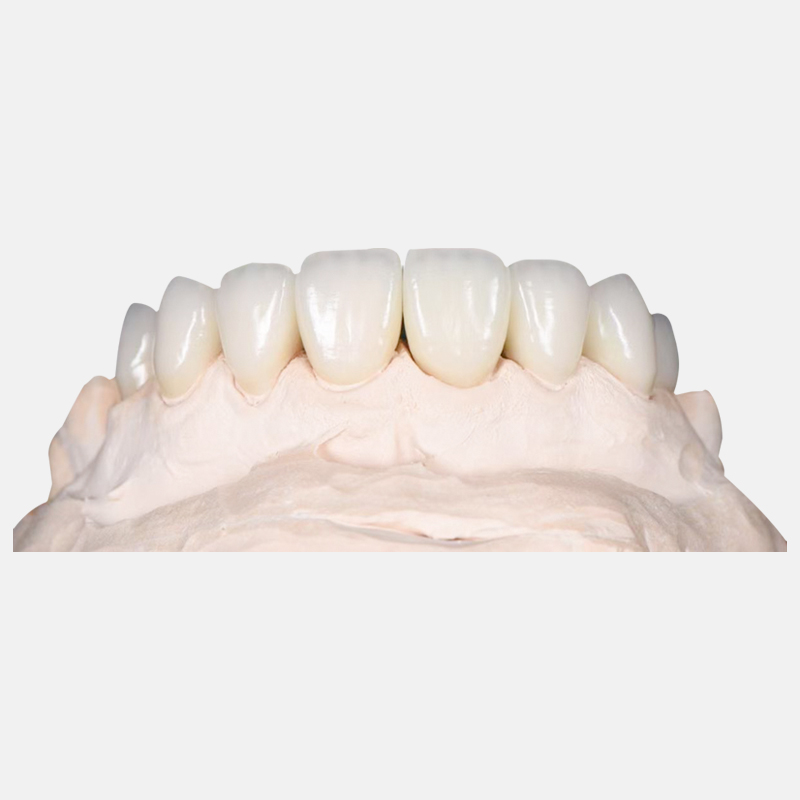
A Zirconia Crown can last many years, but long service life depends on more than the material itself. Zirconia is strong, yet strength alone does not prevent gum inflammation, plaque buildup, cement failure, or bite-related damage. In other words, the crown may be durable, but the tissues and tooth around it are still vulnerable to daily neglect. This is why proper care matters from the first week after placement all the way through long-term maintenance.
The crown also protects more than appearance. It covers and supports a prepared tooth that may already be weakened by a large cavity, fracture, or root canal treatment. If the crown margin is not kept clean, bacteria can collect where the crown meets the tooth, and that area is often where future problems begin. Good crown care therefore protects the whole restoration system, not just the visible outer shell.
Small daily mistakes can also shorten the life of a zirconia crown without making obvious noise at first. Brushing too aggressively, skipping floss, ignoring grinding, chewing ice, or drinking stain-heavy beverages every day may not cause instant failure, but these habits can slowly dull the surface, irritate the gums, and increase stress on the crown. The result is often not a dramatic break, but gradual loss of comfort, gloss, and long-term predictability.
This is also where material quality becomes relevant. A well-made zirconia crown begins with stable, high-quality zirconia blocks. Shenzhen Lezy Jumei Dental Medical Co. manufactures premium multilayer zirconia materials for Zirconia Crown fabrication, using high-purity zirconia ceramic with graduated flexural strength from 650 MPa to 1200 MPa, translucency from 42% to 57%, and a hardness of about 1250 HV. These properties help dental labs produce crowns that combine strength and lifelike esthetics, but even the best material still performs best when the patient follows proper care habits.
The best care routine is simple, gentle, and consistent. You do not need expensive tricks. You need habits you can actually keep every day.
Brush at least twice a day using a soft-bristled toothbrush. Focus on the gumline and the edge where the crown meets the natural tooth. That margin is one of the most important parts of the restoration because plaque tends to collect there. A soft brush helps clean the area without scratching the surface or irritating the gums. The goal is not heavy force. The goal is controlled, thorough cleaning.
Avoid harsh whitening pastes or gritty products that may wear down the polished surface over time. A Zirconia Crown is strong, but surface shine still matters, especially in visible areas. A smoother surface is easier to keep clean and often looks more natural. Gentle toothpaste helps preserve that finish.
Flossing once a day is essential. Many crown problems begin because people brush well but ignore the contact points and the gumline. Carefully slide floss between the teeth and clean around the crown without snapping hard against the gum. This helps reduce plaque and food buildup near the margin.
If you often notice trapped food around the crown, a water flosser or interdental brush can help. These tools are especially useful for crowns near bridges, implants, tight contacts, or areas where normal floss feels difficult. They do not replace brushing, but they can improve cleaning in areas that collect debris more easily.
An alcohol-free mouthwash may help reduce bacteria and freshen the mouth without creating a burning sensation. This is especially useful if your gums are sensitive or if you are adjusting to a newly placed crown. It is not the main cleaning step, but it can support the routine.
A quick self-check helps you notice changes early. Look for dullness, trapped food, gum redness, a dark line near the margin, or any rough-looking edge. Patients often catch small issues earlier than they expect simply by paying attention.
Daily Care Step | What to Do | Why It Helps |
Brushing | Use a soft brush twice daily | Reduces plaque and protects the margin |
Toothpaste | Choose a non-abrasive formula | Helps preserve surface smoothness |
Flossing | Clean once daily around the crown | Protects gums and contact areas |
Extra tools | Use a water flosser or interdental brush if needed | Improves cleaning in tight or tricky spots |
Mouth rinse | Use a gentle, alcohol-free rinse | Supports bacterial control |
Self-check | Look at the crown and gums regularly | Helps spot early warning signs |
Food choices affect a Zirconia Crown more than many people realize. Zirconia is durable, but repeated stress and poor cleaning habits around meals still matter.
Chewing ice, biting hard candy, cracking nuts with your teeth, or chewing on pens can place sudden force on the crown. Even when zirconia does not fracture, these habits may create bite stress or affect the opposing teeth. A crown is meant for eating food, not handling extreme pressure.
Sticky foods such as caramel, chewy candy, or very tacky dried fruit can trap debris around the crown margin. In some cases, they may also place pulling force on a newly cemented crown. That does not mean you must avoid every chewy food forever, but regular caution is wise.
A Zirconia Crown is more stain-resistant than many other materials, but the outer finish can still lose brightness over time, especially when exposed daily to coffee, tea, red wine, or tobacco. The crown itself may not absorb color like natural enamel, yet heavy staining habits can still affect how glossy and clean it looks.
Water helps rinse away food particles and reduces how long sugars or pigments stay around the crown. Tooth-friendly foods such as yogurt, cheese, leafy greens, eggs, nuts eaten carefully, and balanced meals also support the health of the surrounding teeth and gums. Since the tooth under the crown still matters, protecting the whole mouth is part of crown care.
Many crown problems come less from accidents and more from repeated habits.
Grinding and clenching, especially during sleep, can create long-term stress on a Zirconia Crown. This may not always break the crown, but it can lead to rough spots, bite discomfort, loosening, or wear on the opposing teeth. Bruxism is one of the most common hidden threats to crowns.
If your dentist says you grind your teeth, ask about a night guard. A properly fitted guard can reduce force during sleep and protect not only the crown, but also nearby teeth, restorations, and the jaw joint. It is often one of the smartest long-term investments after restorative treatment.
Do not open packaging, tear tape, hold pins, or bite non-food items using your teeth. These habits place sharp, uncontrolled force on the crown and can chip the edge or create micro-damage that becomes more obvious later.
Smoking affects gum health and often contributes to discoloration around restorations. Heavy alcohol use may also affect oral hygiene and plaque control. The crown may still survive, but the environment around it becomes less favorable.
Some symptoms after crown placement are normal, and knowing the difference between “adjustment” and “problem” helps reduce unnecessary worry.
It is common to feel mild sensitivity to hot or cold for a short time after receiving a Zirconia Crown. This often improves as the tooth settles and the tissues calm down. Sensitivity should gradually decrease, not become stronger.
A new crown can feel unusual in the mouth during the first few days because your tongue notices the new shape and your bite is adjusting. This is especially common with front teeth. Most people adapt quickly.
The gum around the crown may feel slightly irritated after treatment, especially if the procedure involved significant preparation or temporary crowns before final placement. Mild tenderness should improve in days, not weeks.
If symptoms are light and steadily improving, that usually means the adjustment period is normal. If they are worsening, persistent, or interfering with sleep or eating, it is better to contact the dentist.
Not every issue can be solved at home. Some symptoms should be reviewed professionally.
If you feel a sharp, clear pain when biting down, the crown may be sitting slightly high in the bite. This is often fixable through a simple adjustment, but it should not be ignored because an uneven bite can create long-term stress.
If the crown feels loose, moves slightly, or no longer feels solid, contact the dentist promptly. Movement may point to cement failure, leakage, or stress under the crown. Avoid chewing on that side until it is checked.
Occasional food trapping can happen, but repeated food packing in the same spot may point to an open margin or contact issue. If it keeps happening, the crown should be examined.
A Zirconia Crown can sometimes develop chips, rough edges, dullness, or localized discoloration. Persistent gum pain, bad taste, or redness near the crown also deserves attention because the problem may be related to plaque, cement, or margin fit.
Warning Sign | What It May Mean | What to Do |
Sharp pain on biting | Bite may be too high | Book a bite adjustment |
Loose feeling | Cement failure or stress | Avoid chewing there and call the dentist |
Repeated food trapping | Contact or margin issue | Schedule an evaluation |
Rough edge or chip | Surface damage | Get it checked early |
Ongoing gum irritation | Plaque, fit, or margin problem | Seek professional review |
Home care is important, but professional care still matters.
Routine dental visits allow the dentist to examine the crown margin, the supporting tooth, the surrounding gums, and the bite. Many small problems can be corrected early before they require remake or retreatment.
Even if you brush and floss well, some areas still collect plaque or polish differently over time. Professional cleanings help keep both the crown and the surrounding tissues healthier.
If the surface becomes dull, if the bite feels high, or if a small rough area develops, a dentist may be able to polish or adjust the crown rather than replace it. Early intervention often preserves the crown and saves cost.
Your dentist may recommend different tools based on where the crown is located, how your bite works, and whether you grind your teeth. A molar crown and a front crown do not always need the same maintenance strategy.
This is also where dental material quality becomes relevant to clinics and labs. Shenzhen Lezy Jumei Dental Medical Co. produces CE and ISO 13485-certified multilayer zirconia blocks designed for Zirconia Crown fabrication. Their discs are compatible with major CAD/CAM systems, including Open 98 mm, Zirkonzahn 95 mm, and Amann Girrbach 92 mm, and are available in 10 mm to 30 mm thicknesses. This compatibility supports predictable digital production, and predictable production often supports better marginal fit and easier long-term maintenance.
The company also emphasizes lifelike esthetics through a multilayer structure of up to six powder layers, natural gradients in translucency and color, and support for the full VITA 16 Classic Shades plus BL1-BL4 bleach shades. For patients, that means the final crown can look more natural. For labs, it means fewer compromises between strength and esthetics.
A care article should still mention one important fact: easy long-term maintenance often begins before the crown is even placed. A well-fabricated crown is usually easier to clean, more comfortable in the bite, and less likely to create chronic irritation around the gumline.
That is why product quality deserves a brief place in this discussion. Shenzhen Lezy Jumei Dental Medical Co. supplies high-purity multilayer zirconia ceramic for crown fabrication, with recommended sintering at 1500°C, strong durability, and support for everything from single crowns and veneers to multi-unit bridges, implant restorations, and full-arch prosthetics. This versatility matters to labs because a consistent zirconia system can simplify inventory while supporting a wide range of cases.
Its B2B service package also supports professional users more broadly, including OEM customization, online technical support, global logistics, flexible trade terms, and a 5-year warranty on zirconia blocks. For dental buyers, those points matter because crown quality is not only about the material itself. It is also about quality consistency, technical backup, and stable delivery across repeated cases.
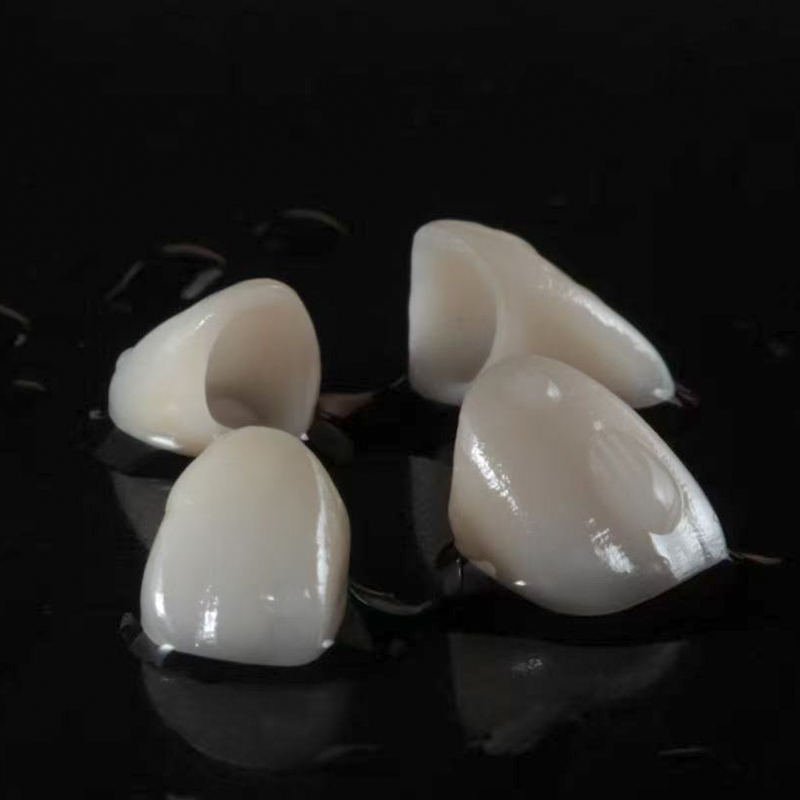
Long-term success usually comes from small consistent habits, not dramatic interventions.
Brush gently twice a day, floss once daily, clean carefully after sticky meals, and keep your recall visits. A realistic routine followed every day is far better than perfect care for one week and neglect for the next three.
Do not wait for severe pain. Small changes such as repeated food trapping, a slight bite change, a dull patch, or recurring gum redness often appear before larger problems. Early action often prevents replacement.
If you know you grind, use your night guard consistently. Bite protection matters just as much as hygiene when it comes to long-term crown survival.
A Zirconia Crown does not exist in isolation. Its lifespan depends on the gum tissue around it, the tooth underneath it, the opposing teeth, your bite, and your cleaning routine. When the rest of the mouth is healthy, the crown usually performs better as well.
A Zirconia Crown stays strong and attractive with gentle daily care. Brush, floss, avoid hard habits, and keep regular dental visits.Shenzhen Lezy Jumei Dental Medical Co., Ltd adds value through premium multilayer zirconia blocks, natural esthetics, CAD/CAM compatibility, certified quality, and reliable B2B support.
A: Clean a Zirconia Crown with a soft toothbrush, non-abrasive toothpaste, and daily flossing.
A: A Zirconia Crown resists stains well, but coffee, tea, wine, and tobacco can dull its surface.
A: Mild sensitivity is often temporary and should improve within days.
A: Call if your crown feels loose, hurts when biting, traps food, or shows chips.


