


Views: 0 Author: Site Editor Publish Time: 2026-03-24 Origin: Site


Not all dental bridges look the same. A Zirconia Bridge offers strength, beauty, and a metal-free finish in one solution. Read on to see why it has become a popular choice for modern tooth replacement.
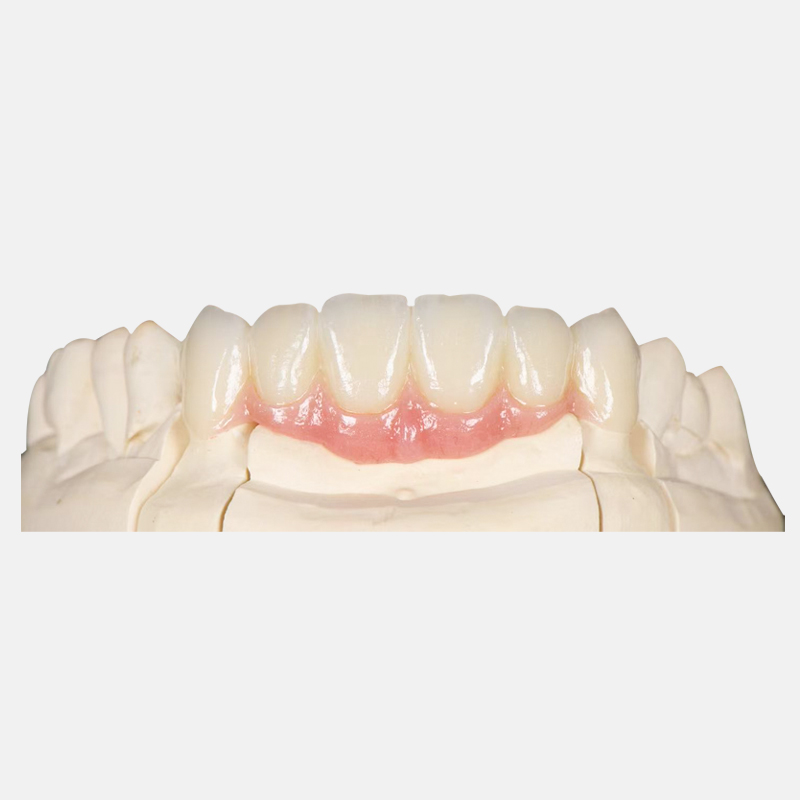
A Zirconia Bridge is a fixed dental restoration made from zirconia ceramic and used to replace one or more missing teeth. In many standard cases, it restores one or two missing teeth by connecting a supporting crown on one side to another supporting crown on the other side, with one or more bridge units between them. Because it stays fixed in the mouth, patients do not remove it like a denture. Instead, it works as a stable part of everyday chewing and speaking.
The easiest way to understand its structure is to think of a real bridge. The natural teeth or abutments on both sides act like bridge piers. The supporting crowns serve as the fixed anchors. The connector acts like the main beam, and the bridge unit in the middle replaces the missing tooth area. Together, these parts create a strong restorative structure that restores both function and appearance.
A zirconia bridge can be either tooth-supported or implant-supported. In a tooth-supported design, the neighboring natural teeth are prepared and used as anchors. In an implant-supported design, implants replace the missing roots, and the bridge is attached to those implants instead. The treatment path changes depending on the case, but the goal stays the same: create a fixed restoration that closes the gap and restores stability.
The biggest reason the Zirconia Bridge stands out is that it offers a rare balance of strength, esthetics, and biological compatibility. Many materials perform well in one area and less well in another. Zirconia performs strongly across several important categories, which is why it has become such a popular restorative option.
Zirconia is widely known for its high flexural strength and fracture resistance. In the product data you shared, the zirconia bridge material from QINGDAO HXJ-TEXTILE TRADING CO., LTD offers flexural strength from 700 to 1300 MPa, which is a strong range for fixed dental restorations. This allows dental labs to fabricate bridges that can handle routine chewing pressure and work in both anterior and posterior applications.
A zirconia bridge does not look metallic or artificial in the way some older restorations can. The material in your product description includes 41% to 57% layered gradient translucency, which helps mimic the gradual light transmission of natural teeth. This matters because a bridge should not only fill a space. It should also blend into the smile.
Because zirconia is 100% metal-free, it avoids one of the most common cosmetic concerns seen in metal-based bridges: the dark line near the gum margin. This gives the restoration a cleaner and more natural appearance, especially in visible areas.
Zirconia is also valued because it is highly biocompatible. It is gentle on oral tissues and supports comfort for patients who prefer metal-free restorations or who are concerned about irritation and sensitivity. The product description reinforces this by presenting zirconia as a certified biocompatible ceramic and a Class II medical device with CE and ISO 13485 certification.
Another advantage is that polished zirconia tends to stay cleaner-looking over time. Its smooth surface supports lower plaque retention and better visual stability, which helps both esthetics and hygiene. That does not remove the need for brushing and flossing, but it does support easier maintenance.
When a material combines strength, esthetics, and easier maintenance, it often creates better long-term value. That does not mean it is always the cheapest option upfront. It means the restoration may deliver more predictable performance over time when the case is properly planned and maintained.
Key Advantage | Why It Matters |
High strength | Supports daily chewing and multi-unit restorations |
Natural translucency | Helps the bridge blend with natural teeth |
Metal-free design | Avoids dark margins and improves esthetics |
Biocompatibility | Supports gum comfort and patient acceptance |
Smooth surface | May help reduce plaque buildup and staining |
Digital compatibility | Supports efficient CAD/CAM production |
A Zirconia Bridge works by replacing the missing tooth area with a fixed structure that connects to stable supports. In a tooth-supported bridge, the adjacent teeth are reshaped to receive crowns. These crowns act as anchors, and the artificial tooth or teeth between them span the missing space. In an implant-supported bridge, the support comes from implants rather than natural teeth.
The engineering logic is simple but important. The supports must be stable enough to carry the chewing load, while the connector and bridge body must be strong enough to resist fracture and long-term function. This is one reason zirconia is attractive. It gives the lab a material with the structural capacity to handle this bridge-like design while still maintaining a natural appearance.
The working principle from your product description explains this especially well. It compares the restoration to a bridge structure in the real world: the abutments are the piers, the crown units are the fixed supports, the connecting body is the main beam, and the bridge unit is the deck. That analogy is effective because it shows how a zirconia bridge is not just a cosmetic shell. It is a load-bearing restorative structure designed for daily use.
In practical terms, once placed, the bridge helps restore:
● chewing efficiency
● clearer speech
● smile completeness
● bite stability
● patient confidence
This is why the zirconia bridge is not only a cosmetic option. It is a functional restorative solution as well.
A Zirconia Bridge is often compared with porcelain-fused-to-metal bridges, conventional ceramic bridges, and metal bridges. Each material has its own place, but zirconia often stands out because it solves several common concerns at the same time.
Compared with porcelain-fused-to-metal, zirconia usually offers better esthetics because it avoids visible metal and dark gumline shadows. Compared with traditional porcelain-heavy bridges, zirconia often provides better strength and fracture resistance. Compared with full metal bridges, it offers a more natural appearance and better acceptance among patients who want a modern tooth-colored restoration.
At the same time, material choice should still be case-specific. Some long-span or heavily loaded cases may still require careful judgment about framework design, support, and manufacturing quality. A material can only perform as well as the case design allows.
This is where the product information from QINGDAO HXJ-TEXTILE TRADING CO., LTD becomes useful. The company positions its zirconia bridge materials as suitable for:
● anterior and posterior bridges
● Maryland bridges
● full-contour crowns
● implant suprastructures
● coping and frameworks
That broad application range shows how zirconia has evolved from a niche esthetic option into a versatile restorative material across many bridge and crown indications.
The process begins with consultation, diagnosis, and treatment planning. The dentist evaluates the missing area, checks the health of the support teeth or implants, and decides whether a zirconia bridge is appropriate for the case. Shade selection and occlusal planning also happen at this stage.
The next step is preparation. If the bridge is tooth-supported, the support teeth are prepared so the crowns can fit over them. If it is implant-supported, the implants are evaluated and the restorative space is planned around them.
After preparation, the dentist takes a traditional impression or a digital scan. In modern labs, this often moves directly into a CAD/CAM workflow, where the bridge is designed digitally and then milled from zirconia.
This is one of the strongest commercial advantages of zirconia. According to the product data you provided, the zirconia discs from QINGDAO HXJ-TEXTILE TRADING CO., LTD are compatible with major open CAD/CAM systems, including Wieland, Zirkonzahn, and Amann Girrbach. That compatibility matters because it allows dental labs to integrate the material into existing digital workflows without major system changes.
The product specifications also support efficient design and production through details such as:
● available thickness from 10 mm to 28 mm
● layered gradient translucency
● sintered density of at least 6.0 g/cm³
● chemical solubility of ≤100 µg/cm²
● thermal expansion of (10.5±1.0) ×10⁻⁶ K⁻¹
These details matter because predictable milling and firing behavior help labs produce restorations with more reliable fit and appearance.
Once the final bridge is ready, it is tried in, adjusted if necessary, and then fixed in place. After that, the patient moves into the maintenance phase.
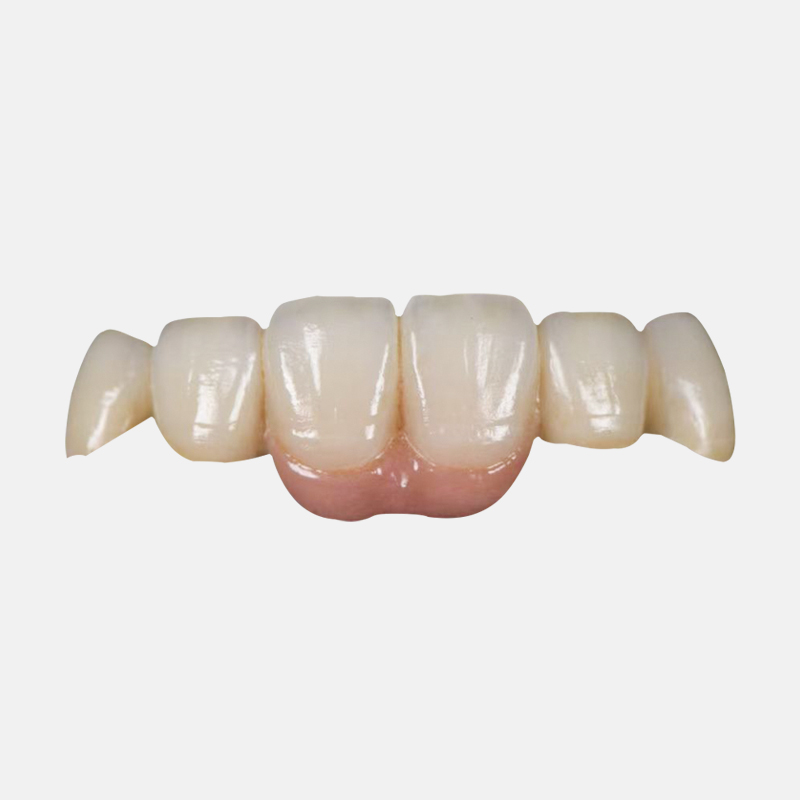
The cost of a Zirconia Bridge depends on several factors. The number of units matters. The complexity of the case matters. The quality of the lab matters. Implant support, if involved, also changes the cost structure. That is why zirconia bridges are usually better explained in terms of value than in terms of one simple price.
The long-term value of zirconia is tied to what it does well. It is strong, esthetic, metal-free, and suitable for digital fabrication. If those strengths reduce remakes, help maintain appearance, and improve patient satisfaction, then the bridge may justify a higher starting price.
Your product description also supports this long-term value story by focusing on:
● high purity zirconia powder
● strict final inspection
● ISO-certified quality systems
● complimentary remakes or adjustments for manufacturing defects
● sample or trial orders for new clients
For B2B buyers, these points are important. They reduce material risk, support case confidence, and make it easier to test quality before large-volume commitments.
Even a strong Zirconia Bridge still needs good care. Patients should brush carefully twice a day, clean around the bridge and supporting teeth, and use tools such as floss threaders, interdental brushes, or water flossers when needed. The bridge itself is durable, but the supporting gums and teeth still need plaque control.
Patients should also avoid hard habits such as chewing ice, biting pens, or using teeth as tools. These habits create unnecessary force and can shorten the service life of the bridge or affect the support structure around it.
Regular dental visits are also part of bridge care. They help detect early problems such as margin wear, plaque retention, support tooth stress, or bite imbalance before those issues become larger.
This is one reason the smooth, plaque-resistant nature of zirconia is valuable. It does not replace hygiene, but it supports a cleaner and more stable long-term result when the patient follows proper maintenance.
Care Step | Why It Matters |
Brush twice daily | Helps control plaque around the bridge and supports |
Use floss aids | Cleans areas under and around the bridge |
Avoid hard habits | Reduces stress and risk of damage |
Attend checkups | Helps catch problems early |
Maintain gum health | Protects the long-term stability of the restoration |
A Zirconia Bridge is a good option for many patients missing one or more teeth, especially when they want a fixed restoration that looks natural and does not contain metal. It is also attractive for patients who care about both beauty and strength rather than wanting to sacrifice one for the other.
Patients who want a metal-free restoration often choose zirconia for esthetic reasons. Others choose it because they want a restoration that feels modern, durable, and biologically safe. At the same time, not every case is automatic. The bite, gum health, support teeth, and space available still need proper evaluation.
From a commercial point of view, the product details you shared position QINGDAO HXJ-TEXTILE TRADING CO., LTD as a strong supplier for labs serving these kinds of cases. Its zirconia materials are described as suitable for a broad range of restorative needs and optimized for digital workflows, which makes them especially relevant for labs that want both versatility and efficiency.
A Zirconia Bridge is a strong, natural-looking, and metal-free solution for replacing missing teeth. Its main advantages include durability, esthetics, biocompatibility, stain resistance, and reliable performance in modern digital workflows.
For dental labs, QINGDAO HXJ-TEXTILE TRADING CO., LTD adds value through high-strength zirconia materials, layered translucency, certified quality, and broad CAD/CAM compatibility. These strengths make zirconia not only a smart clinical choice, but also a practical material solution for modern restorative production.
In short, a zirconia bridge offers more than gap replacement. It delivers stable chewing, a lifelike appearance, and strong long-term value when the case is planned and produced well.
A: A Zirconia Bridge is a fixed ceramic restoration that replaces one or more missing teeth.
A: A Zirconia Bridge offers high strength, natural esthetics, biocompatibility, and a metal-free design.
A: It looks more natural, avoids dark margins, and supports better esthetics.
A: Cost depends on bridge units, case complexity, lab quality, and implant support.


