


Views: 0 Author: Site Editor Publish Time: 2026-10-16 Origin: Site


A strong restoration should also look natural. Dental Zirconia can support both goals, but material choice alone cannot ensure success. You’ll learn how design, milling, sintering, and finishing help balance strength and aesthetics in dental restorations.
Dental zirconia grades differ in composition and crystal structure. These differences influence mechanical behavior and light transmission.
Increasing translucency can involve changes that reduce strength. Research therefore evaluates these properties together when comparing zirconia materials.
The practical goal is matching the grade to the restoration. Selecting the highest advertised value rarely answers every requirement.
Flexural strength measures resistance to failure during a bending test. Fracture toughness describes resistance to crack propagation.
They answer different questions about material behavior. Neither measurement alone predicts how long a restoration will function.
Design, surface condition, processing, and clinical conditions also influence performance.
Translucency influences how much underlying color contributes to the appearance. It also affects the restoration’s visual depth.
A translucent restoration may blend well over a favorable preparation. The same material may reveal unwanted discoloration over a darker substrate.
Thickness and shade must therefore enter the decision.
Multilayer blanks provide transitions across different regions of the material. They can help technicians reproduce cervical-to-incisal shade changes.
However, shade layering does not automatically mean changing strength. Buyers should distinguish color gradients from composition gradients.
Layer diagrams help explain what each product actually provides.
Suitable material properties need suitable restoration geometry. Adequate thickness and appropriate connector dimensions support the intended design.
Rounded transitions also deserve attention during design review. Every dimension should follow the selected product’s instructions.
Zirconia milling, sintering, and finishing form a connected production sequence. Errors at one stage can affect later results.
A reliable workflow therefore combines material selection and process control. The blank supplies potential; fabrication determines how effectively it becomes a restoration.

Dental zirconia minimum thickness varies across products and indications. Laboratories should check the exact instructions before approving a design.
Available space affects both structural dimensions and external contour. Reducing thickness without verification can move the design beyond approved limits.
For a zirconia crown, review material selection alongside the preparation and planned anatomy.
Bridge connectors transfer forces between connected units. Their dimensions and shape require careful review.
Check the approved span and connector requirements for the chosen material. A zirconia grade approved for crowns may have narrower bridge indications.
Assess the complete design before fabrication begins.
Monolithic restorations use zirconia for the full contour. Veneered designs add ceramic characterization over an appropriately designed structure.
Each approach introduces different space and processing requirements.
Design factor | Monolithic zirconia | Veneered zirconia |
|---|---|---|
Main structure | Full-contour zirconia | Zirconia supporting veneering ceramic |
Aesthetic approach | Material shade, staining, and finishing | Additional ceramic layering |
Space assessment | Product-specific full-contour dimensions | Space for supporting structure and veneer |
Production focus | Contour and surface characterization | Framework support and compatible layering |
The appropriate choice depends on the case’s functional and aesthetic priorities.
Tip: Confirm material grade and design dimensions together before approving the restoration for milling.
Milling requires approved tools and suitable processing strategies. Blank dimensions, holders, and equipment settings must also match.
Inspect milled restorations for chipped margins and visible defects. Review tool condition when similar problems appear across multiple cases.
Correcting the underlying process is more useful than repeatedly repairing individual defects.
Pre-sintered restorations are milled larger than their final dimensions. They shrink during sintering as the material densifies.
The software needs the correct compensation information. Manufacturer instructions may specify material or batch-related shrinkage data.
Incorrect entries can compromise dimensional accuracy even when the original design appears suitable.
The dental zirconia sintering process includes controlled heating, holding, and cooling. Each stage should follow approved instructions.
A faster program requires validation for the exact material and indication. Furnace compatibility also needs confirmation.
A cycle approved for one restoration type may not cover another.
Check margins, internal fit, contacts, and visible distortion after processing. Record recurring problems rather than treating them as isolated events.
Review the scan, design, milling settings, and shrinkage information. Include furnace records when investigating possible processing issues.
A consistent inspection sequence makes comparisons easier.
A shade code alone cannot describe every aesthetic requirement. Dental zirconia shade matching benefits from preparation photographs and adjacent-tooth details.
Include the target shade, substrate color, and relevant surface characteristics. Photographs should provide useful references rather than conflicting lighting impressions.
Complete records reduce uncertainty before material selection begins.
Nesting determines which material regions form the restoration. Changing its vertical position can change the resulting shade distribution.
The technician must consider restoration height and the blank’s layer arrangement. In composition-gradient materials, placement may also affect structural planning.
Follow the manufacturer’s nesting instructions for the intended indication.
Dental zirconia staining techniques can add localized color features. Approved methods include pre-sintering coloring and post-sintering surface characterization.
These methods serve different purposes and require compatible products. Manufacturer guidance distinguishes infiltration, staining, and ceramic layering as separate approaches.
Use characterization to refine an appropriate material choice. Extensive staining should not replace proper initial shade planning.

Dark preparations and visible supporting structures require specific optical planning. Greater translucency may allow their color to influence the result.
Discuss masking needs before selecting the material. Restoration thickness also affects the available options.
For inlay and onlay restorations, assess these optical requirements alongside preparation design and bonding needs.
Tip: A more translucent material does not automatically produce a better shade match.
Adjustments can leave a roughened surface requiring further treatment. The dental zirconia polishing protocol should follow approved material instructions.
Use the recommended polishing sequence and operating conditions. Inspect the finished surface before accepting the restoration.
Polishing deserves its own quality check, even after minor adjustments.
Glazing adds a surface layer through a firing process. Polishing mechanically refines the existing surface.
They influence appearance through different methods. Their effects on zirconia crowns have also been examined experimentally.
Choose the finishing approach according to material instructions and characterization requirements. Glazing should not automatically replace required polishing.
Contact or contour adjustments change the finished surface. Any adjusted area needs reassessment before delivery.
Confirm whether polishing, glazing, or another approved step is required. Document substantial adjustments that could affect the original design.
A restoration should pass its final check after all modifications.
Posterior planning begins with the preparation, functional demands, and available clearance. Material grade and approved dimensions should support those conditions.
Aesthetic expectations still matter, especially where posterior teeth remain visible. The objective is a suitable balance across the complete case.
Review options across the zirconia restoration range before finalizing the prescription.
Anterior cases require close attention to translucency, contour, and surface texture. Preparation color can strongly influence the material discussion.
Consider a hypothetical crown over a dark preparation. Selecting a highly translucent material could reveal the underlying color.
The team should instead assess masking, thickness, and characterization together. This example illustrates planning logic rather than a guaranteed outcome.
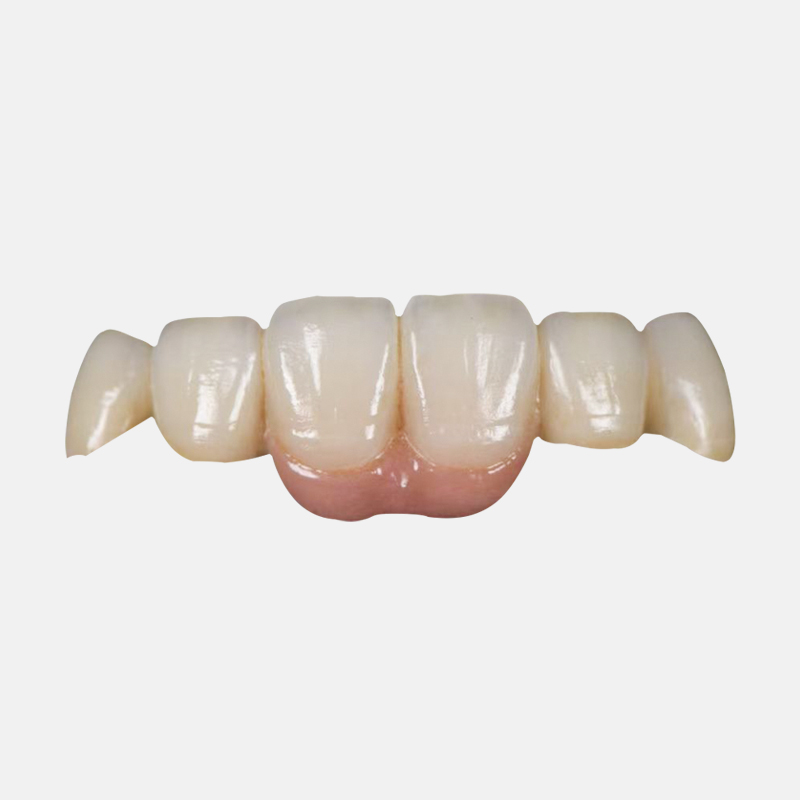
Bridge planning combines span, connector dimensions, and available restorative space. Material selection and nesting must support the approved design.
For a zirconia bridge, resolve design questions before production starts. Late changes may require reassessing both geometry and material suitability.
A clear approval process helps prevent avoidable misunderstandings.
The referenced JGQ listing accepts digital case formats, including STL, PLY, and DCM. This illustrates digital submission options rather than universal laboratory capabilities.
Confirm accepted formats directly with the receiving laboratory. A useful submission includes:
Complete scans or the requested physical records.
Opposing-arch information and relevant bite records.
Target shade and preparation photographs.
Material preferences and aesthetic instructions.
Requests for design review before fabrication.
Clear records help connect clinical expectations to laboratory decisions.
Dental zirconia performance develops across the entire workflow. The selected grade establishes material characteristics, while design defines the restoration’s geometry.
Processing and finishing then influence the delivered result. Evaluating these stages together provides a clearer explanation than one advertised strength figure.
Shorter cycles may suit certain approved materials and restoration types. They should not become automatic substitutes for established programs.
Check the exact product instructions and furnace requirements. Assess turnaround after confirming those technical limits.
An unexpected appearance can involve material choice, substrate color, or restoration thickness. Shade records, layer placement, and processing also deserve review.
Compare the restoration against the original prescription and photographs. Investigate likely causes before deciding whether staining or remaking is appropriate.
Finishing requirements depend on the material and planned characterization. Review them again whenever adjustments alter the surface.
A shared checklist helps laboratories apply consistent acceptance criteria. It also gives dental teams clearer information about the delivered restoration.
Tip: Record material, processing, and finishing details so recurring problems can be investigated consistently.
Dental Zirconia supports strength and natural aesthetics through suitable material selection, careful design, controlled sintering, and proper finishing. Coordinating these steps helps dental teams achieve more predictable restoration results. LEZY Lab provides customized zirconia crowns and bridges, supported by digital design and professional laboratory services. Its tailored solutions help dental teams address each case’s fit, function, and aesthetic requirements.
A: Dental Zirconia is a ceramic used for tooth-colored restorations.
A: Dental Zirconia requires suitable grades, adequate thickness, and controlled sintering.
A: Dental Zirconia offers strength and customizable aesthetics; suitability varies by case.
A: Zirconia polishing smooths surfaces; glazing adds a fired coating.
A: Zirconia milling costs depend on processing requirements; poor fit warrants checking shrinkage settings.


