


Views: 0 Author: Site Editor Publish Time: 2026-10-17 Origin: Site


An accurate scan is only the beginning. CAD CAM Dental Materials influence how restorations are designed, milled, finished, and inspected. You’ll learn how material selection connects each production stage and helps dental teams plan more predictable digital workflows.
Material selection starts by identifying what the laboratory must produce. Definitive crowns, provisional restorations, frameworks, and casting patterns serve different purposes.
They also require different properties and processing routes. A material approved for temporary use cannot automatically replace a definitive restorative material.
Clarify the indication before choosing a blank.
Each material has specific design requirements. These may include minimum thickness, connector dimensions, and supported restoration geometry.
CAD parameters should reflect the exact product instructions. Copying settings between materials can create designs outside their approved limits.
Material selection should therefore precede final design approval.
Dental milling blocks and discs provide different usable spaces. Their thickness, holder geometry, and mounting features affect restoration placement.
Nesting must also allow tools to reach the planned surfaces. A restoration fitting inside the blank may still present machining difficulties.
Check the complete machining envelope before production.
Ceramics, polymers, and titanium respond differently during machining. They need suitable tools, cutting strategies, and equipment capabilities.
These requirements influence processing time and tool consumption. Material compatibility must cover the manufacturing process, beyond the blank’s physical dimensions.
Milling completion does not always mean restoration completion. Some materials require sintering or crystallization before final finishing.
Others follow polishing, cleaning, or assembly procedures. Scheduling should include every required stage before dispatch.
Record the material identity, batch, and relevant processing settings. These details help connect a finished restoration to its production history.
They also support investigations when similar problems recur. Consistent records make comparisons between cases more useful.
Tip: Approve the material and production route before releasing the final CAD design.
Zirconia materials support various approved crown and framework applications. Their grades differ in optical and mechanical characteristics.
Pre-sintered products also require controlled sintering after milling. Laboratories must account for shrinkage compensation and approved furnace programs.
A zirconia crown therefore needs coordinated material, design, and processing decisions.
Glass ceramics include lithium disilicate blocks for product-specific restorative applications. Shade, translucency, and available space influence their selection.
Their supplied state determines the required processing sequence. Some products need crystallization, while others follow different finishing instructions.
Confirm milling compatibility and thermal requirements before scheduling the case.
CAD CAM composite blocks, PMMA milling discs, and wax blanks have different functions. They should not share one general approval category.
Some products support specified restorations or provisional applications. Wax blanks instead provide patterns for later manufacturing stages.
Always check the exact intended use.
Titanium discs provide stock for approved metal frameworks and restorative components. Their use requires suitable metal-machining equipment.
A milled titanium structure is not necessarily the finished restoration. It may require additional components, veneering, or assembly.
This distinction matters when estimating production time and delivery scope.
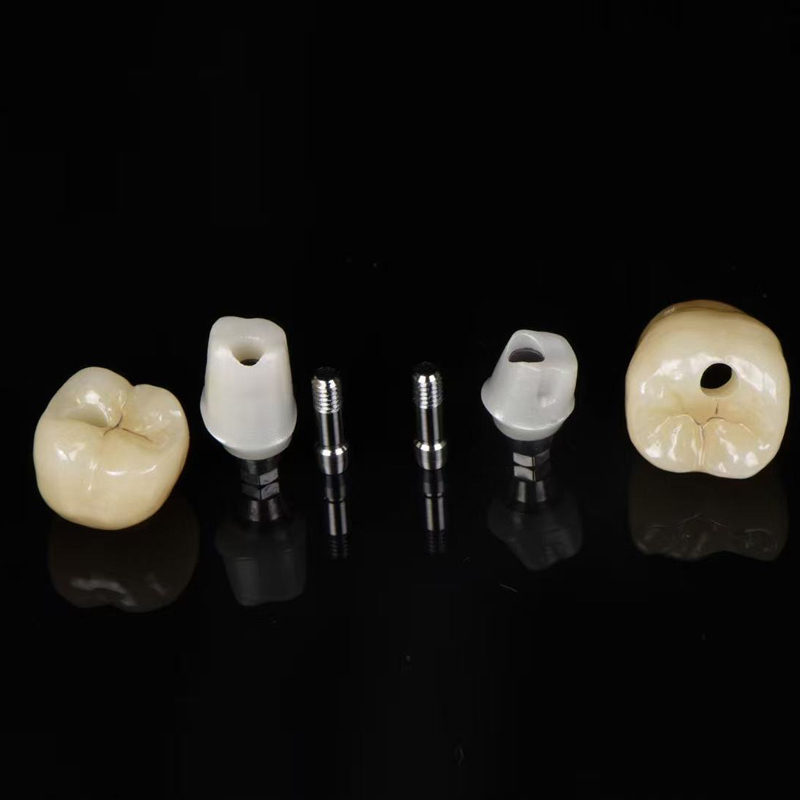
Review restoration location, available space, functional demands, and aesthetic expectations. These requirements help narrow the material choices.
For inlay and onlay restorations, preparation geometry and bonding requirements also influence selection.
Resolve these questions before approving the final design. Late material changes may require substantial redesign.
Check the exact machine model and approved material list. Confirm compatible holders, tools, cooling arrangements, and software strategies.
An open system does not automatically process every material. Its openness may concern file exchange or blank selection.
Actual manufacturing capability needs separate confirmation.
Request composition, product instructions, relevant specifications, and batch documentation. Match each document to the purchased product.
Grade 5 titanium and Grade 23 ELI require separate identification. Do not treat them as interchangeable purchasing descriptions.
A listing covering several grades needs grade-specific clarification.
A comparison table helps teams discuss workflow differences. Product instructions still determine the final approval.
Material family | Potential role, subject to approval | Aesthetic role | Equipment needs | Post-processing |
|---|---|---|---|---|
Zirconia | Crowns, bridges, frameworks | Tooth-colored options | Compatible ceramic milling system | Sintering where applicable, finishing |
Lithium disilicate | Indication-specific restorations | Shade and translucency options | Approved milling system | Product-dependent crystallization and finishing |
Composite | Product-specific restorations | Tooth-colored options | Compatible block milling system | Finishing and approved surface treatment |
PMMA | Approved provisional applications | Provisional shade reproduction | Suitable polymer milling system | Finishing and polishing |
Titanium | Frameworks and components | Usually provides underlying structure | Validated titanium-machining system | Deburring, finishing, cleaning, and further fabrication |
The most suitable choice depends on the case and available production capabilities.
The supplied Bokang references list Grade 5 Ti-6Al-4V and Grade 23 ELI options. These are supplier-listed material choices.
Buyers should confirm which grade applies to their order. Supporting reports must identify the supplied material rather than a broader product family.
The supplier lists thickness options from 10–25 mm. It also describes larger-format stock for extensive frameworks.
These dimensions require confirmation through product drawings. Check usable space, fixture clearance, tool access, and restoration height.
Advertised blank size alone cannot establish production feasibility.
One-piece fabrication may remove joining stages from a planned workflow. However, the machine must accommodate the complete structure.
Tool access and machining stability also require review. Final inspection must confirm the result.
Removing welding stages does not automatically guarantee better fit.
Confirm compatibility through the equipment manufacturer’s approved documentation. Specify the alloy, blank format, holder, and machining method.
Physical fit does not establish titanium-cutting capability. The two supplied listings also represent related supplier examples.
They should not be treated as independent evidence of performance.
Tip: Verify titanium machining capability separately from disc-holder compatibility before purchasing material.
Tools and cutting strategies should match the selected material. Their condition also affects the fabrication process.
Inspect ceramic margins for chipping and metal components for burrs. Recurring defects warrant reviewing tooling and validated machine settings.
Avoid transferring successful settings between unrelated materials.
Use the approved wet or dry processing method. Follow equipment instructions for coolant, extraction, cleaning, and material changes.
Residual debris can complicate the next production run. A documented changeover procedure helps maintain consistent operating conditions.
This becomes especially useful when one machine processes several materials.
Pre-sintered zirconia requires sintering after machining. Certain glass-ceramic products require crystallization according to their instructions.
Solid titanium discs do not follow zirconia’s densification sequence. Their subsequent steps depend on the intended structure and finishing requirements.
These differences affect furnace capacity and delivery planning.
The next stage may involve veneering, bonding, or component assembly. Each route requires compatible cleaning and surface preparation.
Follow the relevant material and system instructions. One surface-treatment recipe cannot cover every CAD CAM dental material.
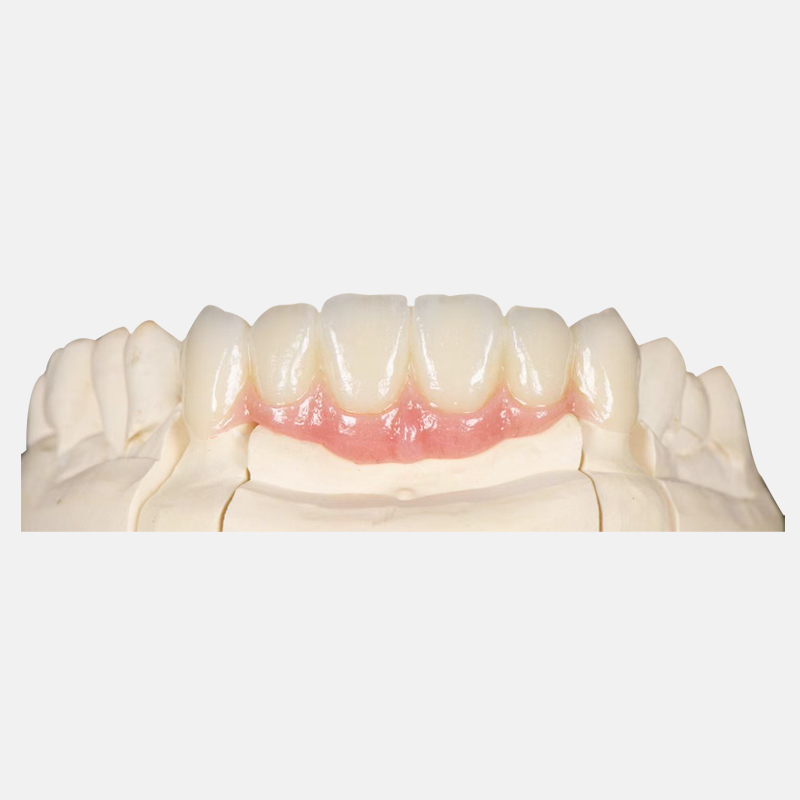
Provide scans, bite records, shade information, and clear restoration requirements. Include supporting photographs where they help explain aesthetic expectations.
For a zirconia bridge, identify the planned span and design requirements early.
Missing information can create uncertainty across several production stages.
Maintain approved CAD parameters and CAM strategies for each product. Link them to current processing instructions.
Review settings after material, software, or equipment changes. An older profile may no longer represent the approved workflow.
Clear version records help prevent accidental reuse.
Inspect the design before manufacturing begins. Check the restoration again after milling and relevant post-processing.
Final acceptance should cover fit, contacts, surface condition, and aesthetic requirements. Separate checkpoints help identify where a discrepancy first appeared.
Blank price represents only part of production cost. Include material utilization, tooling, processing, labor, and possible remakes.
A cheaper material may require additional finishing time. Another option may suit the existing equipment more efficiently.
Compare representative cases before standardizing purchasing decisions.
Tip: Evaluate cost per accepted restoration rather than comparing blank prices alone.
Accepting a digital file confirms only one workflow requirement. Design capability and manufacturing approval need separate checks.
Ask whether the laboratory can process the specified material and restoration type. File transfer alone cannot answer that question.
Chairside CAD CAM materials must suit the available equipment and appointment plan. Laboratory workflows may offer different manufacturing resources.
Both settings need complete processing and inspection stages. Select materials according to actual capabilities and case requirements.
A fit discrepancy may involve scanning, design parameters, machining, or post-processing. Avoid assuming the material caused it.
Compare the digital design against the manufactured result. Review compensation settings and processing records where relevant.
Investigate before changing several variables simultaneously.
A replacement product may differ in grade, dimensions, or processing behavior. Similar appearance does not establish equivalent performance.
Review its documentation and run representative trial cases. Record the results before introducing it into routine production.
CAD CAM Dental Materials connect restoration requirements to digital design, milling, and finishing. Suitable materials, compatible equipment, and controlled processing help dental teams achieve more predictable results. LEZY Lab offers customized crowns, bridges, and other dental restorations through digital design and professional laboratory services. Its case-focused approach helps align material choices and production requirements with fit, function, and aesthetic goals.
A: CAD CAM Dental Materials include ceramics, metals, and polymers for digital fabrication.
A: CAD CAM Dental Materials must match indications, equipment, and processing requirements.
A: CAD CAM Dental Materials influence design limits, manufacturing, and finishing.
A: Zirconia generally requires sintering; titanium requires validated metal machining.
A: Tooling and finishing affect costs; investigate scans, settings, and processing for discrepancies.


