


Views: 0 Author: Site Editor Publish Time: 2026-06-23 Origin: Site


Elective cosmetic dentistry carries high personal and financial stakes. You are permanently altering your smile. Patients face a clear problem: achieving a natural-looking restoration without compromising long-term oral health. Nobody wants to settle for opaque, artificial results. You need materials mimicking natural teeth flawlessly. Today, the clinical standard is the Glass Ceramic Veneer. It balances biomimetic aesthetics with incredible functional durability.
In this guide, you will learn exactly how these restorations work. We will explore material science, compare alternatives, and outline clinical realities. You will discover how to evaluate providers and ensure your outcome lasts decades. Upgrading your smile requires careful planning. We will walk you through the structural, aesthetic, and functional benefits. You will gain the clinical insights necessary to make an informed decision.
Optimal Translucency: Glass ceramics (like lithium disilicate) closely mimic the light-reflecting properties of natural enamel, preventing the "chiclet" look.
Evidence-Based Durability: Offers superior stain resistance and longevity compared to resin, though proper case selection is required to prevent fractures.
Minimally Invasive: High material strength allows for ultra-thin fabrication, preserving more native tooth structure during preparation.
Strict Evaluation Criteria: Not a universal solution; success depends heavily on bite dynamics, underlying tooth color, and the specific skill of the clinical and laboratory team.
Natural teeth are not flat or completely opaque. They possess complex optical properties. Enamel is mostly translucent. Dentin underneath provides the core color. A high-quality Glass Ceramic Veneer replicates this exact relationship. Materials like lithium disilicate feature a dense crystalline structure. This structure scatters incoming light identically to natural dentin and enamel. Light penetrates the surface, bounces off the internal crystals, and reflects back to the observer's eye. This creates depth and vitality. Standard porcelain often blocks light entirely. Glass ceramics allow for variable translucency. The ceramist can adjust the opacity to mask dark underlying teeth while keeping the edges highly translucent.
You drink coffee. You enjoy wine. You eat deeply pigmented foods. Over time, these habits ruin inferior dental materials. However, glazed ceramics possess a completely non-porous surface. This high-density glass matrix prevents pigment molecules from penetrating the restoration. The color remains stable for decades. Unlike polymer-based resins, a glass ceramic veneer does not absorb water or dietary stains. The surface topography remains incredibly smooth. This smoothness naturally repels plaque and discoloration.
Your gums must remain healthy around any dental work. Glass ceramics offer exceptional biocompatibility. The body accepts the material seamlessly. Plaque struggles to adhere to a highly polished ceramic surface. This leads to healthier gingival margins (gum lines). It prevents the chronic inflammation often seen with bulky or rough restorations. Furthermore, these materials completely eliminate the dark lines associated with older metal-ceramic crowns. The margin blends invisibly into the root structure. This promotes a harmonious, pink-and-white aesthetic balance.
Best Practice: Always ensure your clinical team prioritizes a supragingival (above the gum) or equigingival (even with the gum) margin when using glass ceramics. This preserves the biological width and maximizes long-term gum health.
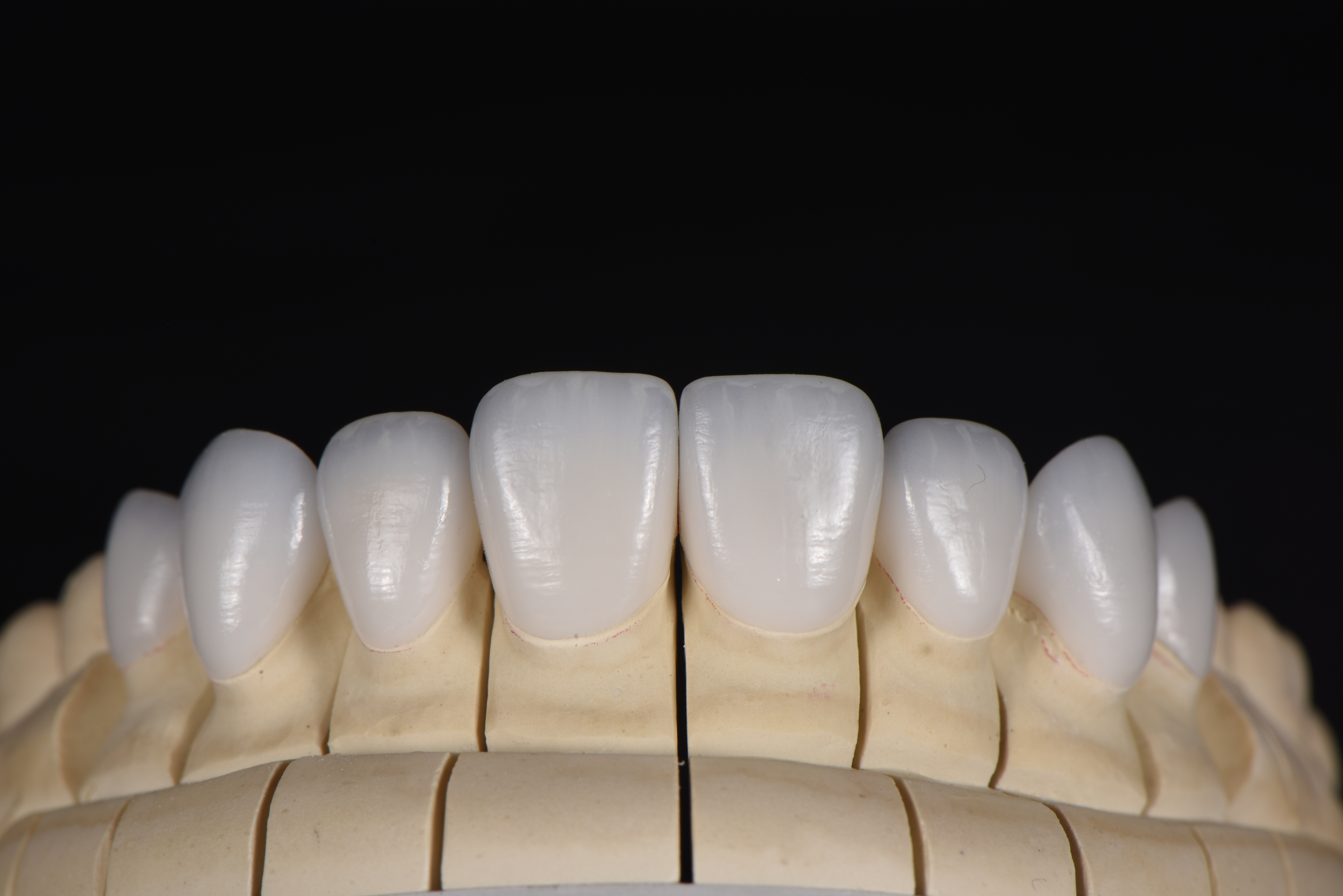
You have several material options for cosmetic dentistry. Understanding how glass ceramics stack up against alternatives is critical. Each material has distinct strengths and weaknesses. The right choice depends on the tooth location, your bite, and your aesthetic goals.
Composite resin is an affordable, direct option. Dentists sculpt it directly onto your tooth. However, it falls short in longevity and aesthetics. Glass ceramics offer a 10–15+ year lifespan. Resin typically lasts only 5–7 years before degrading. Resin contains microscopic pores. It absorbs stains over time. A ceramic restoration maintains its high polish and structural integrity continuously. You do not need frequent touch-ups or repolishing sessions. The upfront investment in ceramic pays off through superior long-term performance and lower maintenance.
Zirconia is famous for its massive physical strength. It is practically unbreakable. Yet, this strength comes at an aesthetic cost. Zirconia is generally more opaque. It can look lifeless in the "aesthetic zone" (your front teeth). Glass ceramics easily win the aesthetic battle here. They offer unmatched translucency. Additionally, glass ceramics allow for superior adhesive bonding. The dentist etches the ceramic with hydrofluoric acid. They apply a silane coupling agent. This process bonds the veneer to your enamel chemically. It creates a single, incredibly strong structural unit. Zirconia relies more on conventional cementation, which can be less reliable for ultra-thin veneers.
Feldspathic porcelain is the legacy material of cosmetic dentistry. It offers beautiful aesthetics. Master ceramists hand-layer it for stunning results. However, it is structurally weak. Glass ceramics provide much higher flexural strength. Lithium disilicate, for example, offers around 400 MPa of flexural strength. Traditional porcelain hovers around 90-100 MPa. This increased strength dramatically reduces the risk of chipping during normal chewing function. You get the beauty of traditional porcelain with four times the durability.
Material Type | Aesthetics & Translucency | Flexural Strength | Average Lifespan | Primary Use Case |
|---|---|---|---|---|
Glass Ceramic | Exceptional (Highly Biomimetic) | ~400 MPa | 10 - 15+ Years | Premium anterior (front) smile makeovers |
Composite Resin | Good (Prone to staining) | ~100 - 150 MPa | 5 - 7 Years | Budget-friendly repairs, temporary changes |
Zirconia | Moderate (Highly Opaque) | ~900 - 1200 MPa | 15+ Years | Posterior (back) teeth, heavy biters |
Feldspathic Porcelain | Excellent (Hand-layered) | ~90 - 100 MPa | 7 - 10 Years | Highly customized, low-stress aesthetics |
Cosmetic dentistry is not just about looks. Form follows function. High-quality Aesthetic Dental Veneers provide crucial structural reinforcement. Acid reflux, aggressive brushing, and acidic diets erode natural enamel. This leaves teeth thin, weak, and micro-fractured. Bonded glass ceramics restore the original rigidity of the tooth. When the dentist bonds the ceramic to the remaining enamel, the tooth regains its structural integrity. It behaves like a virgin, undamaged tooth under chewing forces. This protects the vulnerable dentin underneath from further chemical erosion or physical wear.
Many patients dislike the alignment of their teeth. Traditional braces or clear aligners take months or years. Veneers offer a process often called "instant orthodontics." They provide the ability to immediately correct mild spacing issues (diastemas). They can disguise minor crowding or rotational issues. You bypass prolonged orthodontic therapy entirely. The ceramist designs the restorations to create the illusion of perfect alignment. The underlying tooth remains slightly crooked, but the visible surface appears flawless. This is highly effective for patients wanting rapid, dramatic improvements.
We cannot ignore the emotional impact of a smile makeover. Dental confidence affects every aspect of life. Hiding your smile in photos or covering your mouth during conversations takes a psychological toll. Restoring your smile provides a measurable psychosocial outcome. Patients report increased confidence in professional settings. They experience higher self-esteem in social interactions. Framing this psychological boost as a direct functional benefit is accurate. Successful aesthetic intervention changes how you interact with the world.
Let us dispel a common myth. Completely "no-prep" veneers are rarely the best option for complex cases. Placing material over an un-prepped tooth adds bulk. This often results in a thick, artificial "chiclet" appearance. It also creates a ledge near the gums where plaque accumulates. For a seamless, natural result, the dentist must remove a small amount of enamel. Typically, this enamel reduction ranges from 0.3mm to 0.7mm. This provides the ceramist with the physical room needed to layer the ceramic. It ensures the final restoration sits flush with the natural root. Maintaining the preparation entirely within the enamel layer is critical. Enamel provides the strongest, most predictable bond. If the dentist cuts too deep into the dentin, the risk of failure increases significantly.
Glass ceramics are not a universal solution. Some patients should avoid this treatment. Transparent evaluation is necessary to prevent clinical failures. You must address underlying issues before proceeding.
Severe Bruxism: Patients who aggressively grind their teeth generate massive forces. They can easily fracture even the strongest glass ceramics. These patients require strict night guard protocols or stronger materials like zirconia.
Inadequate Enamel: If you have severe acid erosion, you might lack enough enamel for reliable bonding. Veneers bonded primarily to dentin have a high failure rate. Full coverage crowns might be necessary instead.
Poor Periodontal Health: Active gum disease guarantees failure. Bleeding gums ruin the adhesive bonding process. You must stabilize all periodontal disease before beginning aesthetic treatments.
Even the best treatments carry risks. Understanding how and why veneers fail helps you protect your investment. The primary failure modes include debonding, marginal leakage, and chipping.
Debonding occurs when the veneer pops off intact. This usually points to an error in the adhesive protocol or bonding to dentin rather than enamel. Marginal leakage happens when the seal between the tooth and ceramic degrades. Bacteria enter, causing dark stains or decay under the veneer. Chipping occurs from traumatic forces, like biting into ice, using teeth as tools, or untreated nighttime grinding. Precise clinical protocols mitigate these risks. Total isolation during bonding (using a rubber dam) prevents moisture contamination. Careful bite adjustment ensures harmonious chewing forces.
Common Mistake: Treating a veneer like an indestructible tool. Never use your newly restored teeth to bite nails, tear open packages, or snap hard plastic. They are strong, but they are not metal.
The material alone does not guarantee a beautiful result. Clinical execution dictates success. You must evaluate the team performing the work. Use this framework to choose the right provider.
Look beyond marketing photos. The dentist's adhesive protocol and case planning matter as much as the material. Ask about their continuing education in cosmetic dentistry. Do they use a rubber dam for isolation during bonding? Moisture contamination from saliva or breath ruins the bond. Do they analyze your occlusion (bite) meticulously? A beautiful smile will self-destruct if the bite forces are unbalanced. The provider must demonstrate a comprehensive approach to functional aesthetics, not just a talent for taking photos.
Your dentist does not make the veneer. A dental technician does. The final aesthetic result depends entirely on the master ceramist fabricating the glass ceramic veneer. The dentist prepares the tooth and takes the impression. The ceramist applies the artistry. They layer the porcelain, add internal characterization, and create the lifelike texture. You should ask your dentist about their lab partner. Elite dentists collaborate with elite, often expensive, master ceramists. Budget dental work usually means the lab mass-produced the restoration using basic, monochromatic techniques.
Take control of your consultation. Do not hesitate to ask technical questions. Your dentist should welcome them. Use this numbered list during your appointment:
Can I see a diagnostic wax-up or digital mock-up before committing? You should never guess what the final result will look like. The team should provide a physical or digital preview of your new smile. You must approve the shape and length before any teeth are prepared.
What specific brand or type of glass ceramic do you use? Look for industry-leading materials. IPS e.max (lithium disilicate) is the current gold standard for balancing strength and beauty.
Do you recommend a night guard post-treatment to protect the investment? A preventative mindset is a great sign. A dedicated provider will strongly advise wearing a custom occlusal guard at night. This protects the ceramics from unconscious grinding or clenching.
What is your protocol for isolation during the bonding phase? Listen for terms like "rubber dam" or "Isolite." If they do not prioritize strict moisture control, walk away.
Upgrading to a glass ceramic veneer is a definitive, long-term solution for smile restoration. It moves you past the limitations of composite resin and the opaqueness of older crowns. We have explored the biomimetic properties that make these restorations look completely natural. We highlighted their superior strength and stain resistance. We also tackled the clinical realities, emphasizing the need for proper enamel preparation and strict case selection.
Remember that the material provides only the foundation. Clinical diagnosis, precise preparation, and masterful laboratory execution are the true drivers of success. A beautiful piece of ceramic will fail if placed on an unhealthy tooth or bonded poorly. Take action today. Research local cosmetic dentists carefully. Encourage them to explain their laboratory partnerships. Book a clinical evaluation focused specifically on your bite dynamics and your remaining enamel volume. A meticulously planned aesthetic journey yields a confident, lasting smile.
A: Typically 0.3mm–0.7mm, kept strictly within the enamel layer to ensure maximum bond strength.
A: No, when performed by a qualified professional using minimally invasive protocols, they replace lost or damaged enamel. However, the process is irreversible.
A: Clinical studies show a survival rate of 90-95% over 10 to 15 years, heavily dependent on patient hygiene and bite forces.
A: The ceramic itself does not stain. However, the bonding cement at the margins can attract pigment if oral hygiene is neglected.


