


Views: 0 Author: Site Editor Publish Time: 2026-01-08 Origin: Site


When it comes to restoring missing or damaged teeth, dental implants combined with implant crowns have become one of the most popular and effective solutions. As dental technology advances, implant-supported crowns offer a stable, durable, and natural-looking option for those in need of tooth replacements. One of the most frequently asked questions by patients and dental professionals is: How long does an implant-supported crown last?
In this article, we will delve into the longevity of implant crowns, explore the factors that affect their lifespan, and provide insights into the crown implant process. This comprehensive guide will help dental professionals, labs, and suppliers better understand the key aspects of implant-supported crowns and how long these restorations typically last.
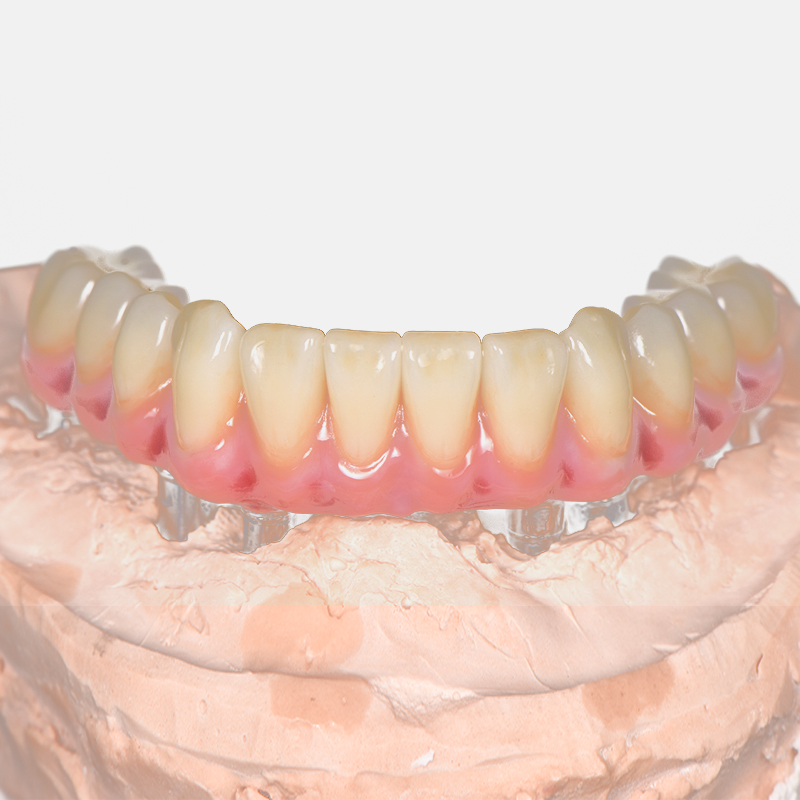
An implant-supported crown is a dental restoration that is placed on top of a titanium dental implant to replace a missing tooth. Unlike traditional crowns, which are placed over an existing tooth, an implant crown is anchored directly into the jawbone using a titanium post, which serves as a replacement for the natural tooth root. This provides a stable foundation for the implant-supported crown and allows it to function and feel like a natural tooth.
The process of placing an implant-supported crown involves several key steps: first, a titanium post (implant) is surgically placed into the jawbone, and once the bone has healed around the implant (a process called osseointegration), the abutment and custom-made implant crown are attached.
As a B2B manufacturer of high-quality dental products, we ensure that our implant crowns are made from durable materials such as zirconia, porcelain, and titanium to provide both functionality and aesthetics. Our products are designed to offer superior strength, longevity, and natural appearance, making them an ideal choice for dental professionals and patients alike.
One of the most common questions patients ask when considering an implant crown is, "How long will it last?" The answer to this question can vary depending on several factors, including the materials used, the patient's oral hygiene, and the overall health of the jawbone. However, in general, implant-supported crowns are known for their exceptional durability and longevity.
Implant crowns typically last between 10 to 20 years or even longer with proper care. The titanium implant itself, which serves as the foundation for the crown, can last a lifetime in many cases. However, the implant crown (the visible part) may require replacement or adjustment over time due to wear and tear, changes in the bite, or natural aging processes.
Several studies have shown that the survival rate of implant crowns is high, with some research indicating that over 95% of implants remain functional after 10 years. The longevity of the implant crown depends largely on the patient's oral hygiene habits, the quality of the materials used, and how well the implant integrates with the jawbone.
While implant crowns are designed to last for many years, their longevity can be influenced by various factors. Understanding these factors is essential for dental professionals and laboratories when recommending implant-supported crowns to patients.
The quality of the materials used in the implant crown plays a significant role in determining its lifespan. Implant-supported crowns are typically made from materials like zirconia, porcelain, and titanium. Each material has its unique properties, and choosing the right material for the patient’s needs is crucial.
Zirconia: Known for its strength and aesthetic appeal, zirconia is one of the most durable materials used for implant crowns. It is highly resistant to wear and fractures, making it an excellent choice for patients who require a long-lasting solution.
Porcelain: Porcelain offers a highly natural look, as it mimics the translucency of natural tooth enamel. However, porcelain is more prone to chipping and wear compared to zirconia. It is typically used for crowns placed in the front of the mouth where aesthetics are a top priority.
Titanium: Titanium is commonly used for the implant post, but it is also used in some cases for the implant crown. It is biocompatible and has a strong, long-lasting foundation for the crown.
Choosing high-quality materials is vital for ensuring the longevity and performance of the implant crown. As a B2B manufacturer, we offer premium-quality materials that provide the necessary strength, durability, and aesthetic results for dental professionals.
Proper care and maintenance play a significant role in the longevity of implant crowns. Patients need to follow good oral hygiene practices to prevent gum disease, plaque buildup, and other complications that can negatively affect the implant and the surrounding tissues.
Daily Oral Hygiene: Brushing and flossing are essential to remove plaque and food particles from around the implant and crown. Patients should use a soft-bristled toothbrush and non-abrasive toothpaste to avoid damaging the crown.
Regular Dental Checkups: Regular visits to the dentist are important for monitoring the health of the implant and surrounding gums. Professional cleanings help to maintain the health of the implant and prevent issues such as gum inflammation or infection.
Avoiding Hard Foods: While implant crowns are durable, chewing on hard foods such as ice or hard candies can put unnecessary stress on the crown, potentially leading to cracks or breakage.
As a B2B manufacturer, we recommend that dental professionals provide patients with detailed aftercare instructions to ensure the longevity of their implant crowns.
For an implant crown to last as long as possible, the dental implant must successfully integrate with the jawbone. This process, known as osseointegration, occurs when the titanium implant fuses with the bone, creating a strong and stable foundation for the implant crown.
Factors that can affect osseointegration include:
Bone Density: Patients with healthy bone density have a higher chance of successful osseointegration. For those with insufficient bone mass, bone grafting may be required before implant placement.
Smoking: Smoking can impair blood flow to the gums and bone, hindering the healing process and potentially leading to implant failure.
Medical Conditions: Conditions such as diabetes or autoimmune disorders can affect the body’s ability to heal and integrate the implant with the bone.
Ensuring proper bone health and successful osseointegration is essential for the longevity of implant crowns. As a B2B manufacturer, we ensure that our implant crowns are compatible with various implant systems and designed for optimal integration with the jawbone.
The way a patient’s teeth come together when they bite (occlusion) can impact the longevity of implant crowns. If the bite is misaligned or if the patient experiences excessive grinding or clenching (bruxism), the implant crown may be subjected to excessive forces, which can cause wear or damage over time.
To prevent damage, patients may be advised to use a nightguard if they grind their teeth during sleep. Dental professionals should also ensure that the implant crown is properly aligned and that the occlusion is correct to avoid uneven stress on the crown and implant.
The crown implant process involves several key steps to ensure that the implant-supported crown is placed correctly and functions properly. Here is an overview of the typical steps involved in the crown implant procedure:
The process begins with a consultation where the dentist evaluates the patient’s oral health and determines if they are a good candidate for an implant crown. X-rays and scans are taken to assess bone density and determine the appropriate placement for the implant.
In the second step, a titanium post (the dental implant) is surgically placed into the jawbone. This procedure typically requires local anesthesia, and the patient may experience some discomfort during the healing process.
Once the implant is placed, the patient enters the healing phase, during which the implant fuses with the jawbone. This process can take several months, during which time the patient may wear a temporary restoration.
After osseointegration is complete, the dentist places the abutment, which connects the implant to the implant crown.
The final step is the creation of a custom implant crown, which is fabricated to match the patient’s natural teeth in size, shape, and color. Once the crown is ready, it is placed on the abutment, completing the restoration.
Enhanced Durability: Implant-supported crowns are highly durable, designed to last for decades with proper care.
Natural Aesthetics: Implant crowns are custom-made to look and feel like natural teeth, offering excellent aesthetic results.
Jawbone Preservation: The implant stimulates the jawbone, preventing bone loss and maintaining facial structure.
Improved Functionality: Patients can chew, speak, and smile confidently with implant crowns, which function just like natural teeth.
Long-Term Solution: Implant-supported crowns provide a permanent solution for missing teeth, unlike removable dentures or bridges.
| Feature | Implant Crown | Traditional Crown |
|---|---|---|
| Support | Supported by a titanium implant post in the jawbone. | Supported by an existing tooth or dental post. |
| Procedure | Requires surgery to place the implant post. | Non-surgical, placed over an existing tooth. |
| Durability | Lasts 10-20 years or longer with proper care. | Lasts 5-10 years, may need to be replaced. |
| Aesthetics | Mimics natural teeth, highly aesthetic. | Aesthetic, but may not blend as seamlessly in some cases. |
| Bone Health | Stimulates jawbone, preventing bone loss. | Does not preserve or stimulate jawbone. |
As a B2B manufacturer, we specialize in providing high-quality implant crowns and dental implant systems. Our products are designed to meet the highest standards of precision, durability, and aesthetics, ensuring that dental professionals can offer their patients the best possible solutions. Here’s why you should choose our implant crowns:
High-Quality Materials: We use premium materials such as zirconia, porcelain, and titanium to ensure long-lasting, durable, and natural-looking implant crowns.
Custom Fabrication: Each implant crown is custom-made to match the patient’s unique dental needs.
Fast Turnaround: We offer efficient production times to ensure timely delivery for dental professionals.
Competitive Pricing: Our pricing is designed to be affordable for bulk purchases, making it easier for dental labs and professionals to stock quality restorations at competitive rates.
Implant crowns typically last between 10 and 20 years with proper care. The implant itself can last a lifetime, while the crown may require replacement due to wear over time.
The crown implant process involves several stages, including implant placement, healing, abutment placement, and final crown attachment. The procedure ensures that the implant crown is securely placed and functions like a natural tooth.
The longevity of implant crowns depends on factors such as the quality of materials, patient care, bone health, and occlusion.
Maintaining good oral hygiene, visiting the dentist regularly, avoiding hard foods, and following the aftercare instructions provided by your dentist can help ensure the longevity of your implant crown.


